










Vipassana
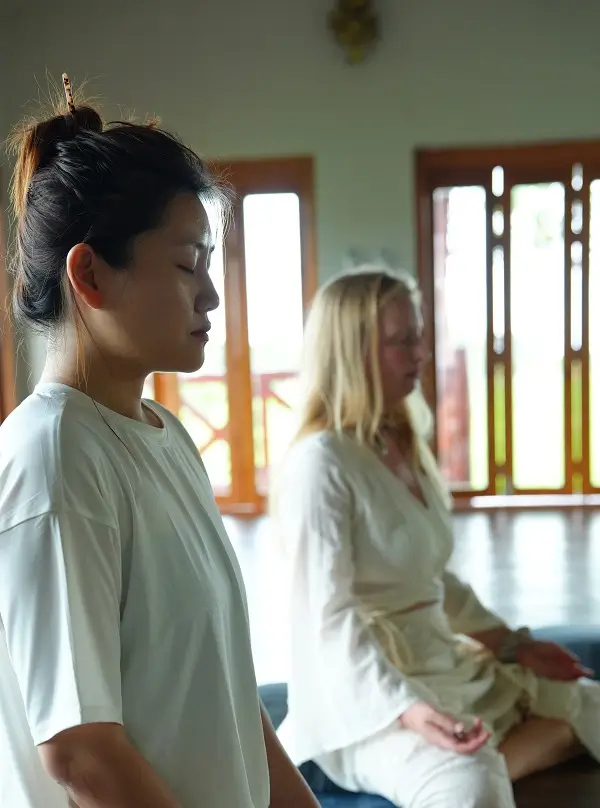
Classical Vipassana: watching the breath, noticing sensation move through the body as it arrives, and letting it pass without chasing it or pushing it away. It sounds simple. For the first day or two, it rarely feels simple.
Vinyasa Yoga Academy, Chiang Mai
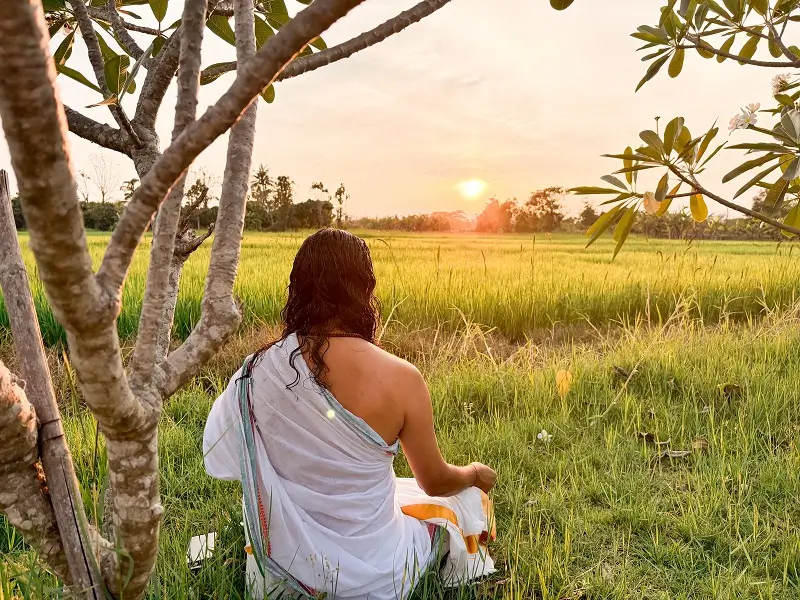
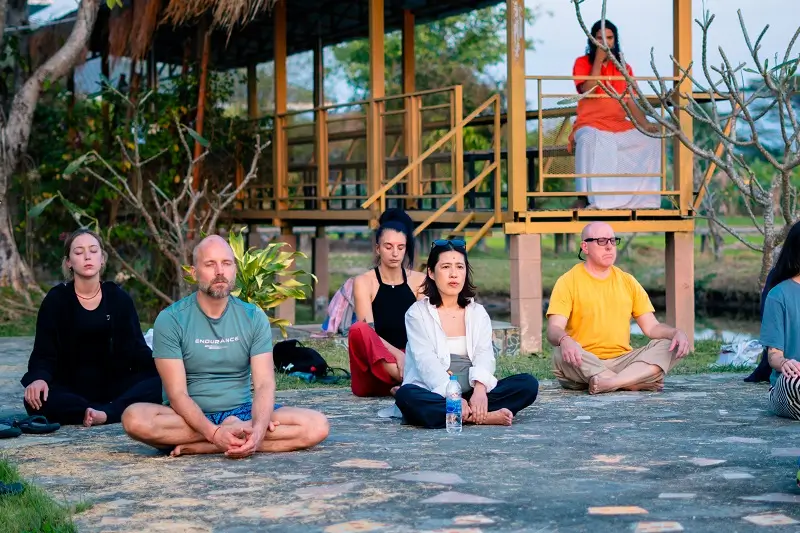
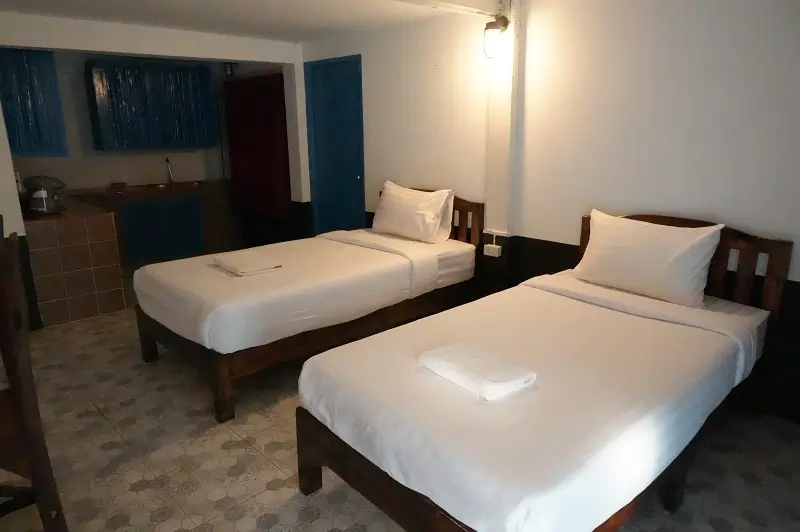
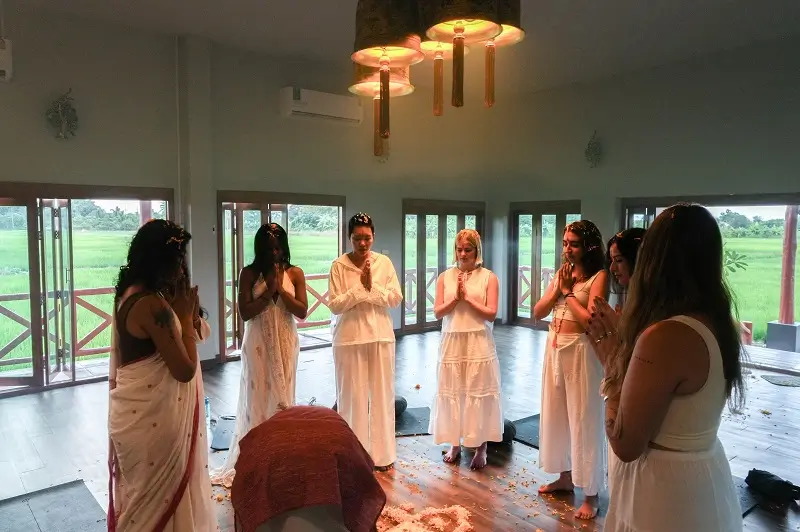
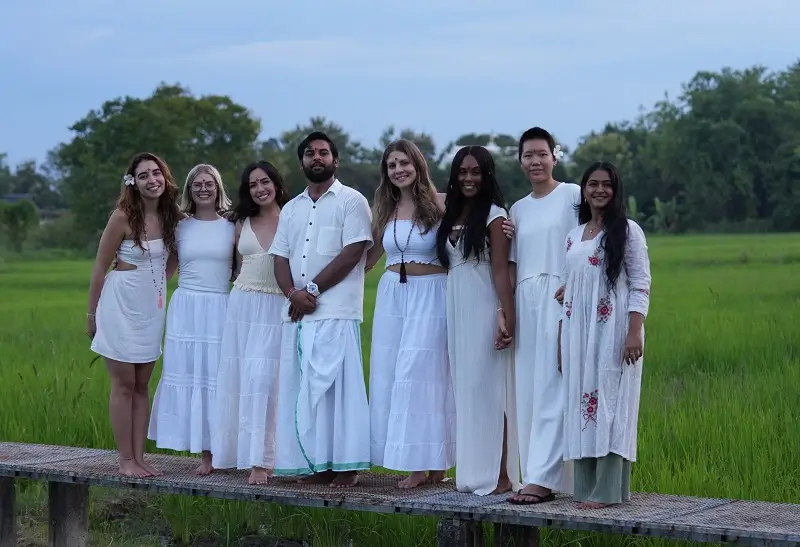
Five days in the hills outside Chiang Mai, sitting in silence with a teacher beside you the whole way — that’s this retreat, in one sentence. What that sentence doesn’t tell you is what actually shifts in you between day one and day five.
Picture the version of you that exists after five days of not reaching for your phone, not filling silence with talk, not being anywhere except exactly where you are. That’s who leaves this retreat. Getting there is the whole point of coming.
The Setting
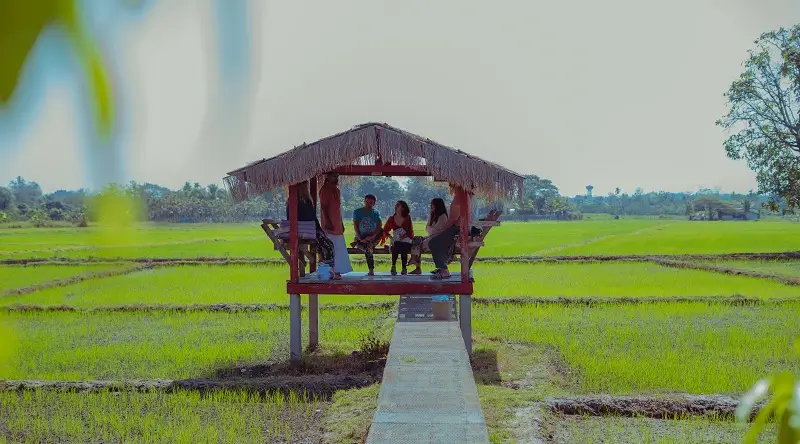
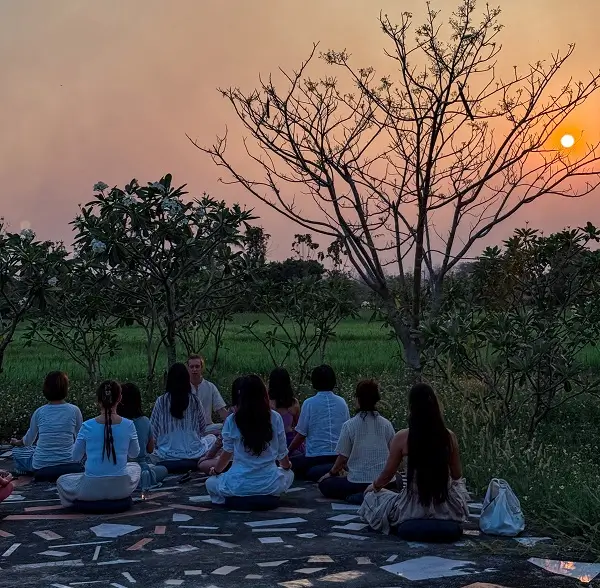
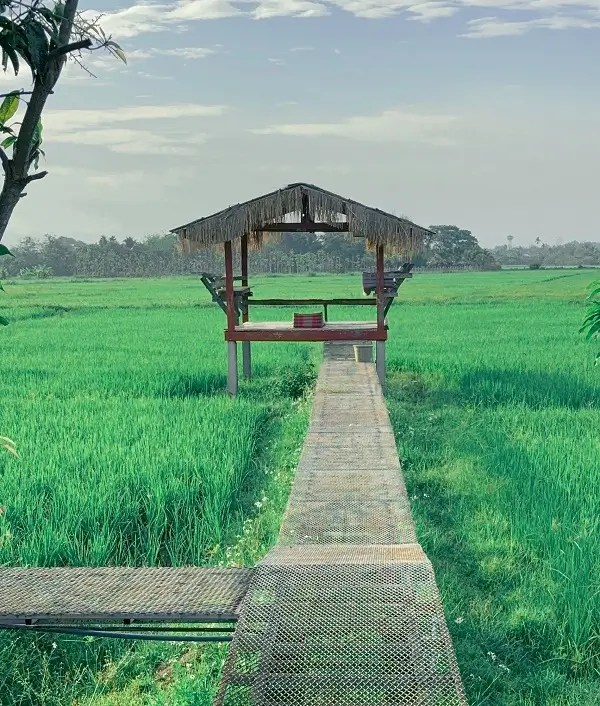
Mornings here start with mist still sitting on the rice fields and a temple bell somewhere in the distance — you’ll hear it before you’re properly awake. Chiang Mai has drawn people to sit and meditate for a long time, and once you’re a few kilometres outside the city, in the hills, it’s obvious why: the air is cooler, the noise is gone, and there’s nowhere else to be.
This isn’t a resort with a meditation class bolted on. There’s no pool bar, no excursion itinerary competing for your attention. The stillness is the actual point.
Vinyasa Yoga Academy has taught yoga and meditation in Rishikesh, India, for 15+ years, and this retreat brings that same teaching into a Thai setting — same method, same attention to each student, just different mountains outside the window.
The Practice
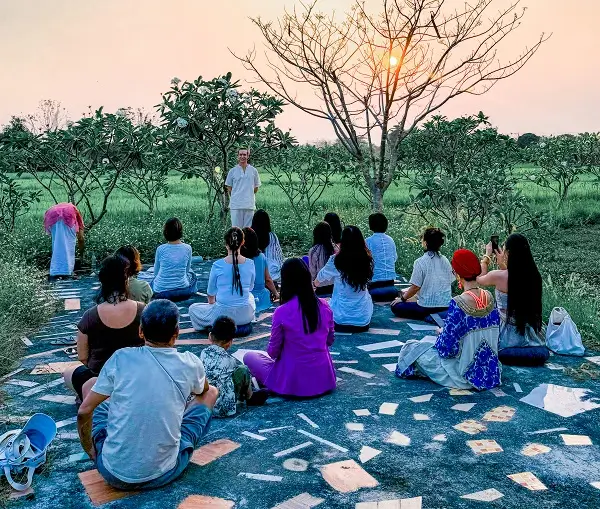
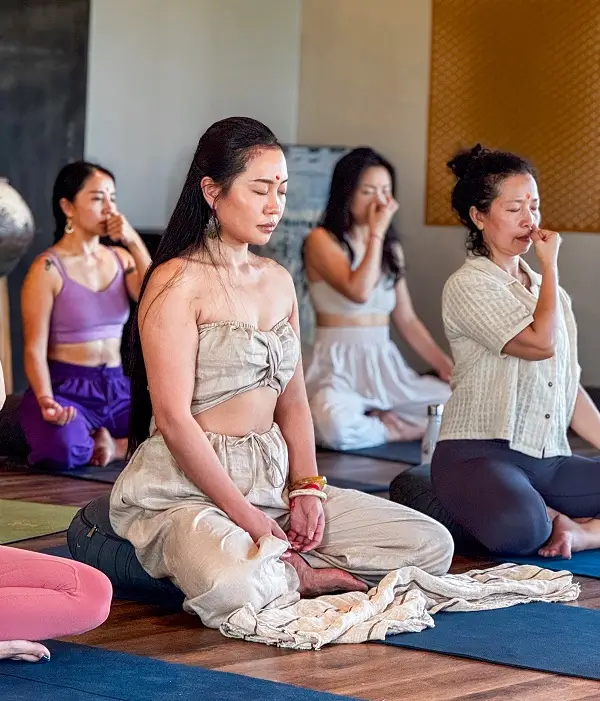
Classical Vipassana: watching the breath, noticing sensation move through the body as it arrives, and letting it pass without chasing it or pushing it away. It sounds simple. For the first day or two, it rarely feels simple.
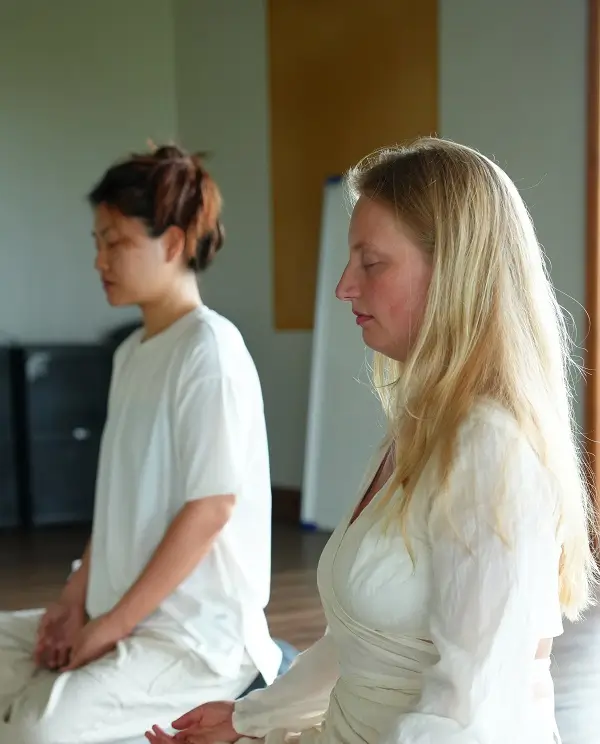
“Inner silence” — an older technique from the Himalayan yoga tradition. Here the aim isn’t to watch the breath; it’s to notice whatever the mind is already doing, thoughts included, without following any of them anywhere.
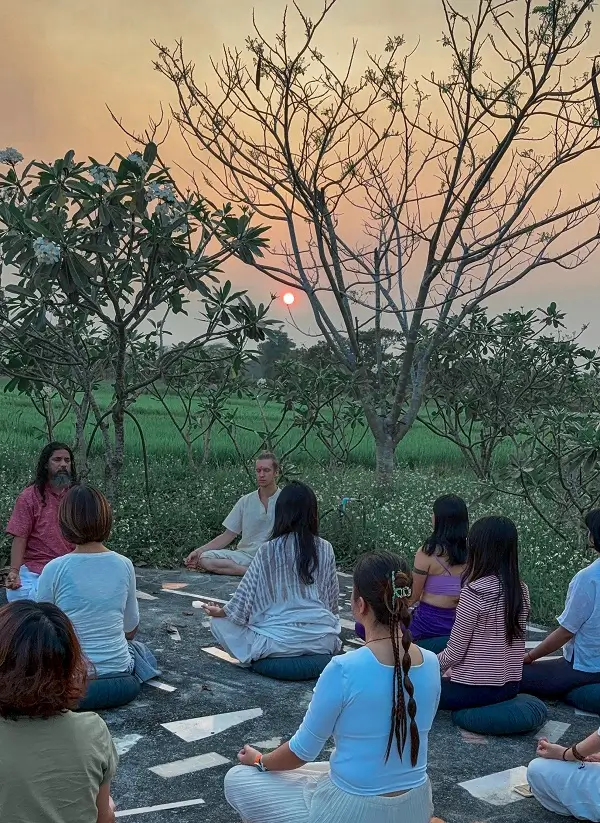
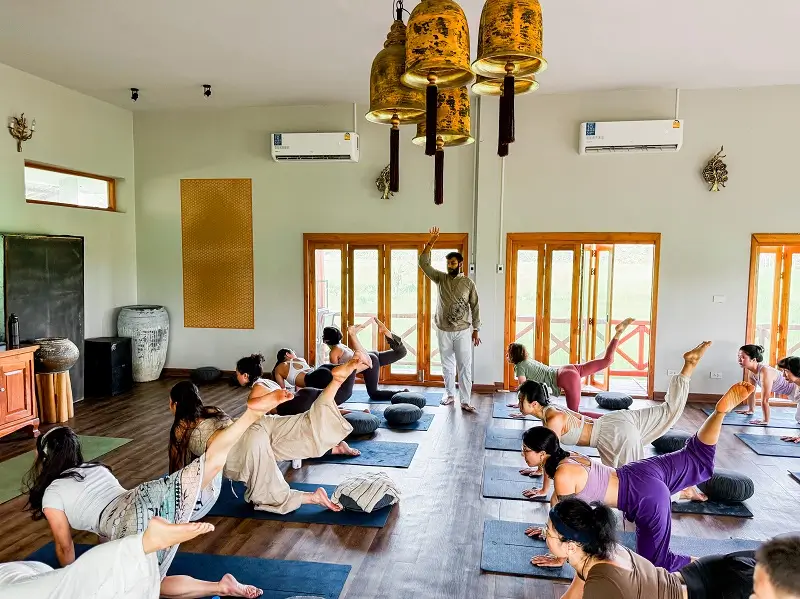
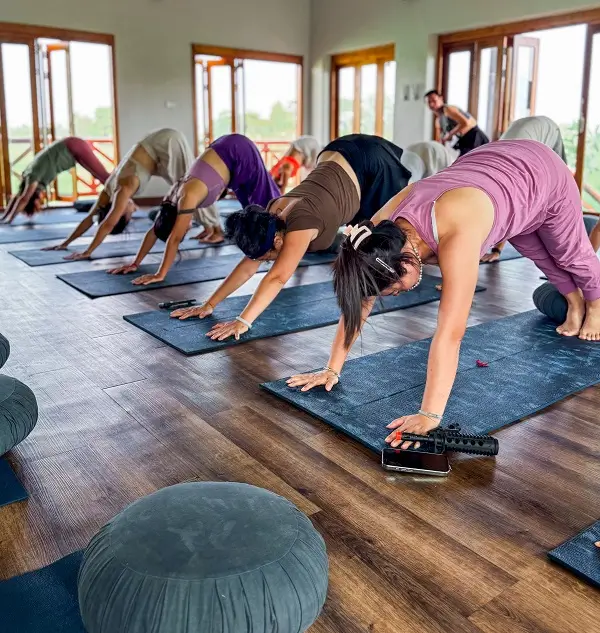
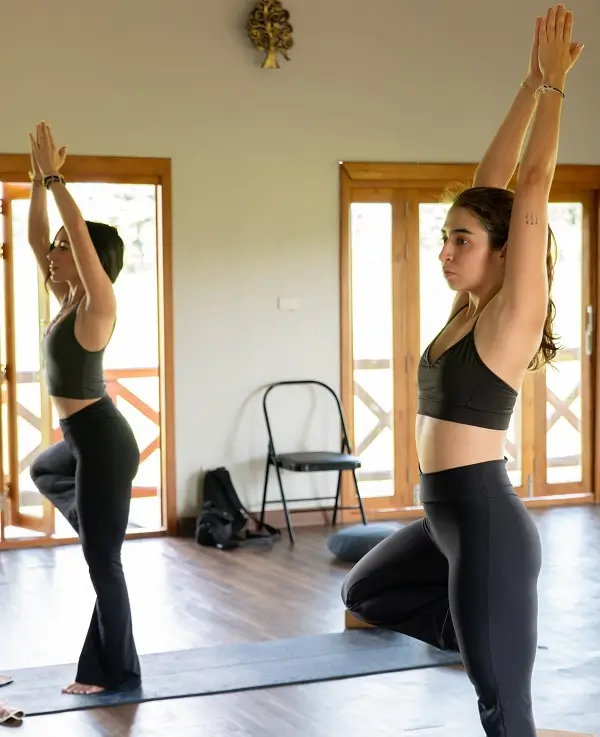
Gentle breathwork or slow movement — just enough to settle the body first, so sitting still doesn’t turn into a fight with your own knees.
You don’t need any past experience. You only need to be willing to sit still and watch.
The Essentials
Day by Day
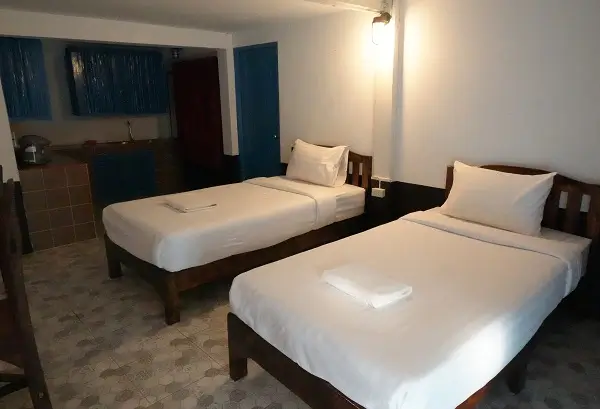
You settle into your room, meet your teacher, and sit for the first time as a group as the light starts to go. Talking is still allowed today. By evening, most people notice how loud a room gets once nobody’s filling it with words.
This is usually the hardest day. The silence has properly started, your legs ache in new places, and your own thoughts get noisier before they get quieter. Your teacher expects this and will check in with you. It’s normal, and it passes.
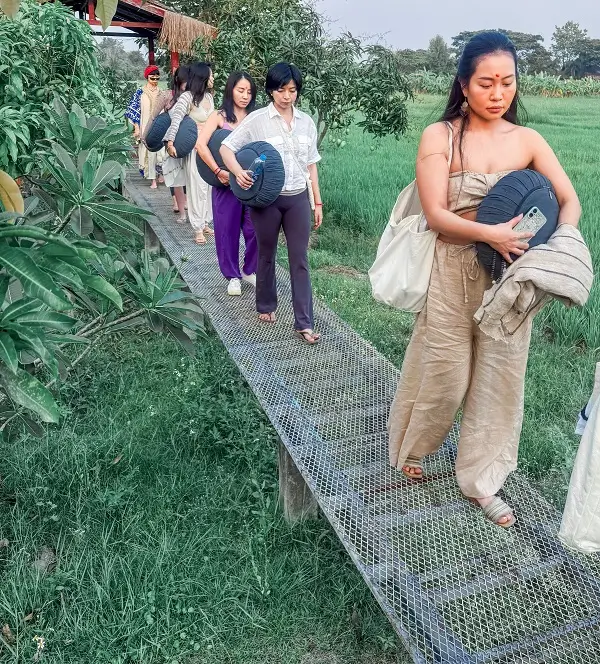
The sits that felt endless on day two start to feel shorter. Walking meditation outdoors, barefoot through the grounds, stops feeling like an exercise and starts feeling like relief.
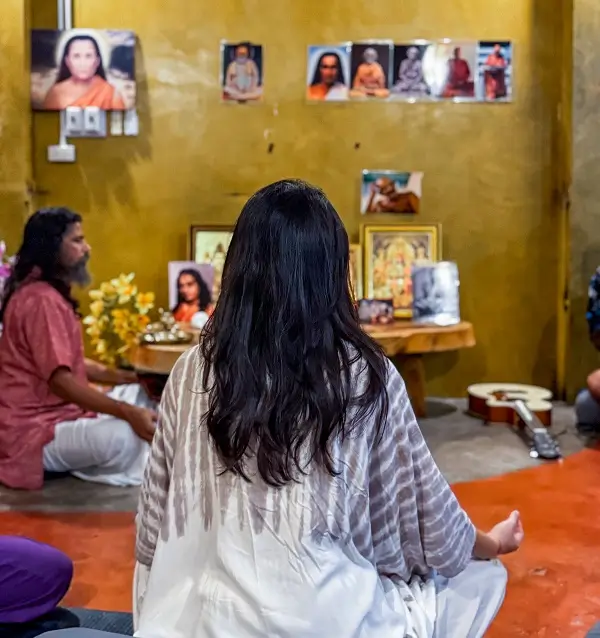
This is usually where the retreat starts to feel less like an effort and more like rest. The gap between a thought arising and you reacting to it gets a little wider. You’ll likely notice it before anyone points it out.
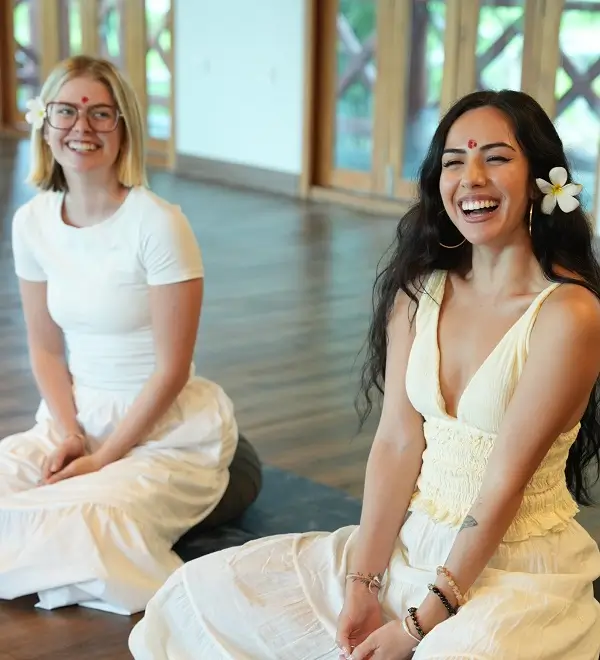
A final sit, a closing talk, and the silence lifts. Most people are surprised by how strange their own voice sounds after four days of not using it — and by how much they don’t want to reach for their phone just yet.
Every retreat is different, and your own five days may not follow this exactly — but this is the shape your teacher will tell you to expect.
The Timetable
If you want the hour-by-hour structure behind those five days, here’s a typical day in full.
The Stay
Everything the five days ask of you is already arranged — here is exactly what is covered, what isn’t, and the few rules that keep the place quiet.
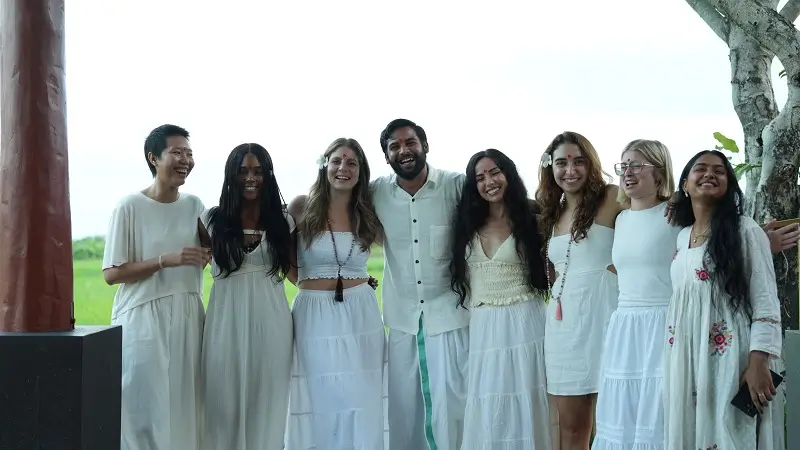 Not sure it’s for you?
Whether five days of silence is too much, what the room is like, how the day really runs — ask and you’ll get a straight answer, not a brochure.
These exist for one reason: so that everyone in the room can actually find some stillness, together.
The Fit
If a weekend off hasn’t touched it, this goes deeper than that.
Most people who come here have never meditated before.
Who want to go beyond the postures into what the practice is actually pointing at.
Stress, burnout or a difficult period, and what you need is a few days of real quiet — not another item on a to-do list.
No experience or particular ability is needed — only your willingness to sit, breathe and be still for five days.
The Comparison
The teaching draws on real Himalayan and Buddhist traditions, taught by people who have practised this path for years, not picked it up recently.
Groups stay small, so your teacher can actually notice how you’re doing, not just run the schedule.
A dedicated meditation hall and open-air yoga space — not a resort with a session added to the timetable.
Food and accommodation are kept simple and sattvic, without extras you didn’t ask for.
The same teaching approach carries over from the school’s original campus in Rishikesh, adapted to Chiang Mai rather than diluted for it.
The Final Step
Check-in 12:00 pm on day one, check-out 10:00 am on day five. Extended stays can be arranged at the front desk.
The Questions
Yes. Most people who come to this retreat are beginners. Your teacher will guide you gently, one step at a time.
Most sessions are held in silence, but there’s time each day to speak with your teacher if you need guidance or have questions. You’re never left without support.
For most people, yes, a little — and that’s expected, not a sign you’re doing it wrong. The schedule is built to let your body and mind adjust gradually, with movement and rest between sittings, and it does ease.
Yes. Chiang Mai has its own international airport, and the town is calm and easy to navigate for solo travellers, including women.
Yes. A number of students join this retreat before or after our 200 Hour Yoga Teacher Training in Thailand, to deepen their practice. Ask us about combined stays.