








Yoga Alliance registered
Vinyasa Yoga Academy, Chiang Mai
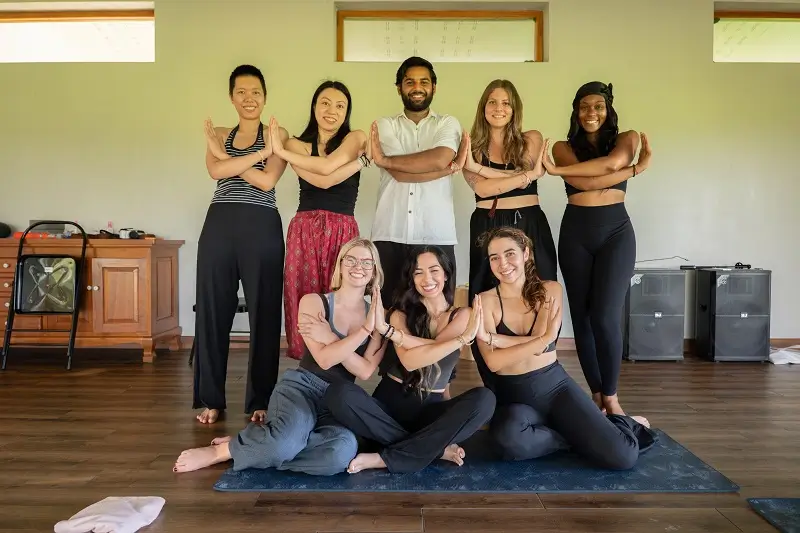
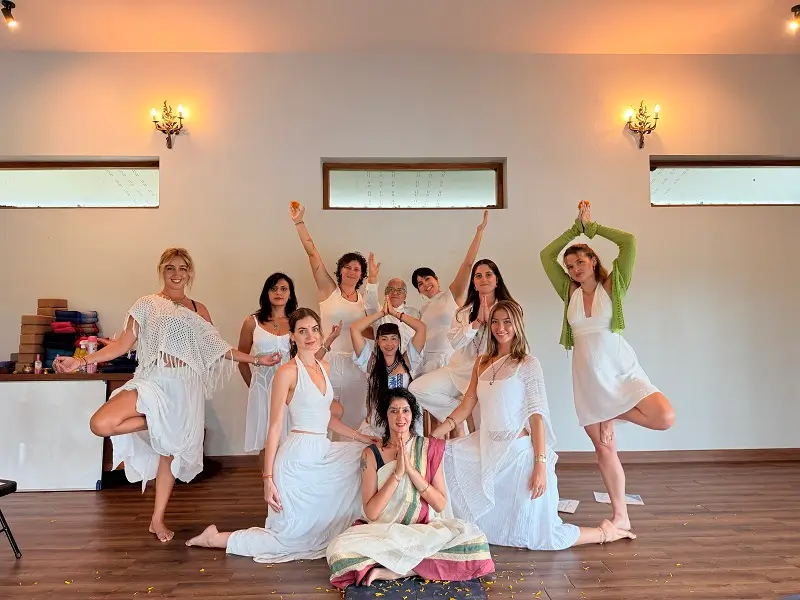
Vinyasa Yoga Academy's 200 Hour Yoga Teacher Training runs for 15 days in Chiang Mai, Thailand, and is registered with Yoga Alliance. Across 200 hours you'll study asana, pranayama, meditation, philosophy, anatomy and teaching practice, and finish eligible to register with Yoga Alliance as an RYT 200 and teach internationally.
If your home practice has stalled, or you've been circling the idea of teaching without quite trusting yourself to start, this is built for that exact stage. It doesn't ask you to already be flexible, experienced or certain of anything — only to show up for 15 days and do the work.
The Setting
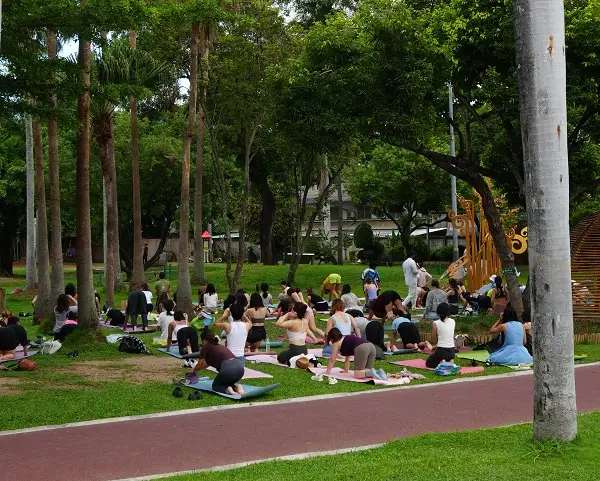
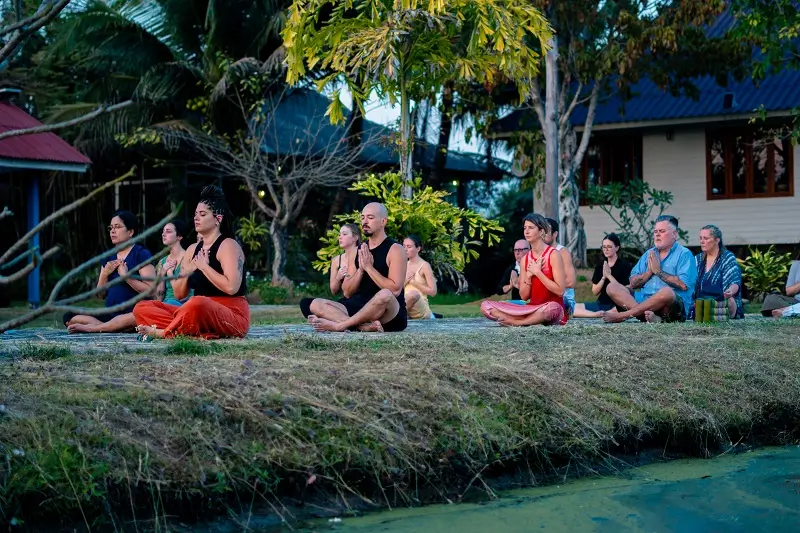
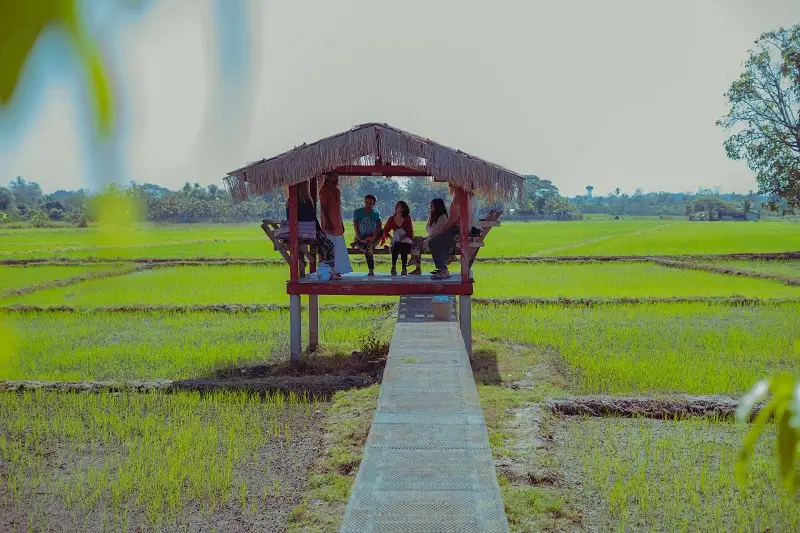
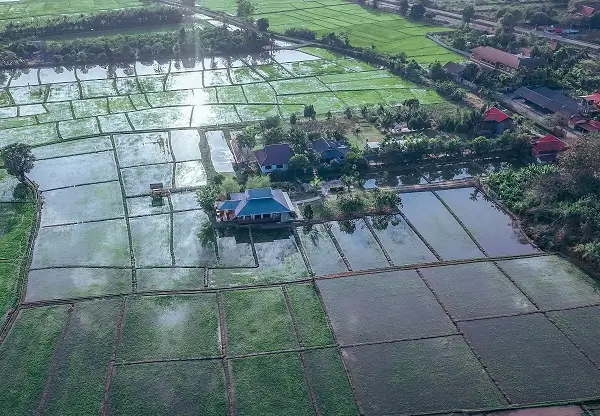
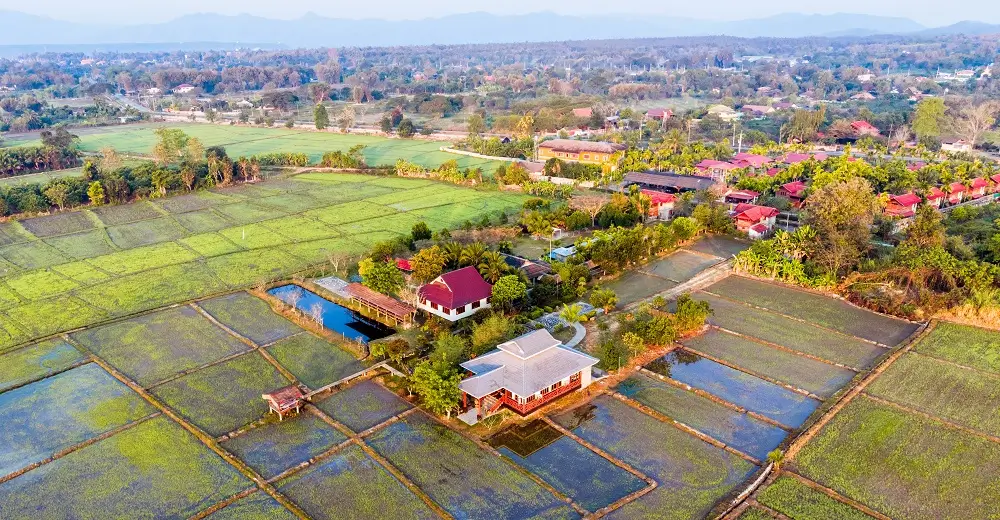
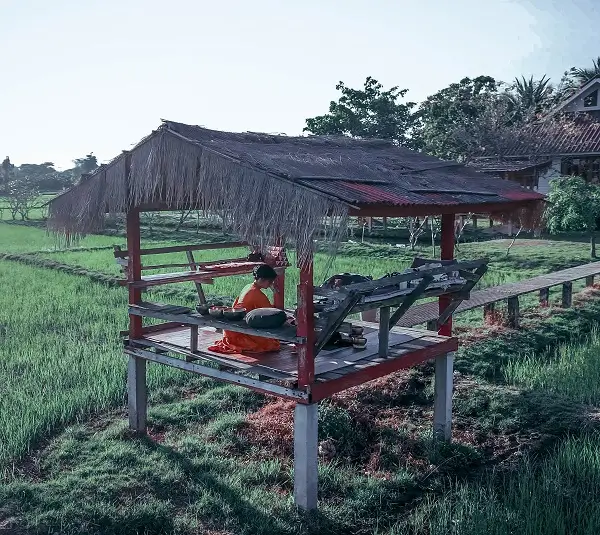
Most people picture Thailand as beaches and boat parties. Chiang Mai is the other Thailand — a northern city of old temples, quiet mountain roads and mornings that start slow. Yoga and meditation have deep roots here, and the pace of the town reflects it.
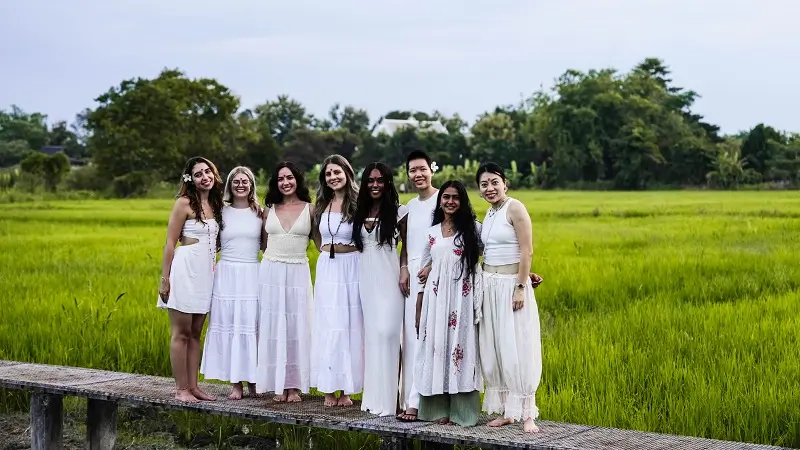
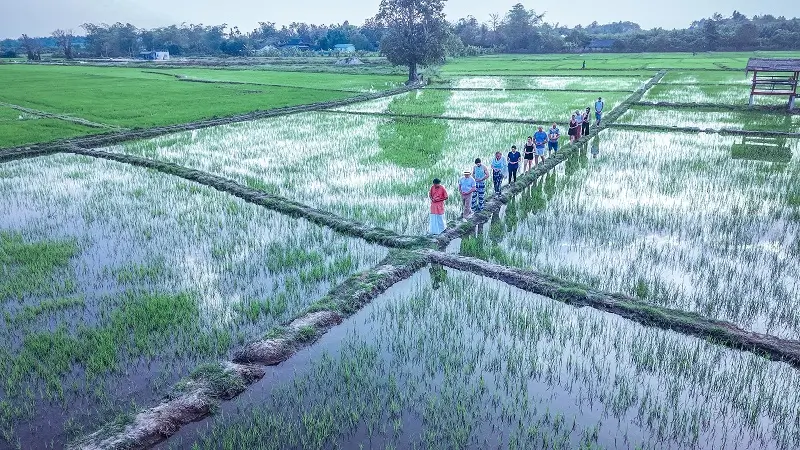
Vinyasa Yoga Academy has taught yoga in Rishikesh, India for 15+ years, and Chiang Mai is where that same teaching style has taken root in a Thai setting — direct, unhurried, built around daily practice rather than sightseeing. If you already know the Rishikesh courses, expect the same approach here, just with rice fields and temple bells instead of the Ganges.
Fifteen days is long enough to stop treating it like a holiday and actually settle into the work. Past the first week of jet lag and stiff hips, most students find their own pace.
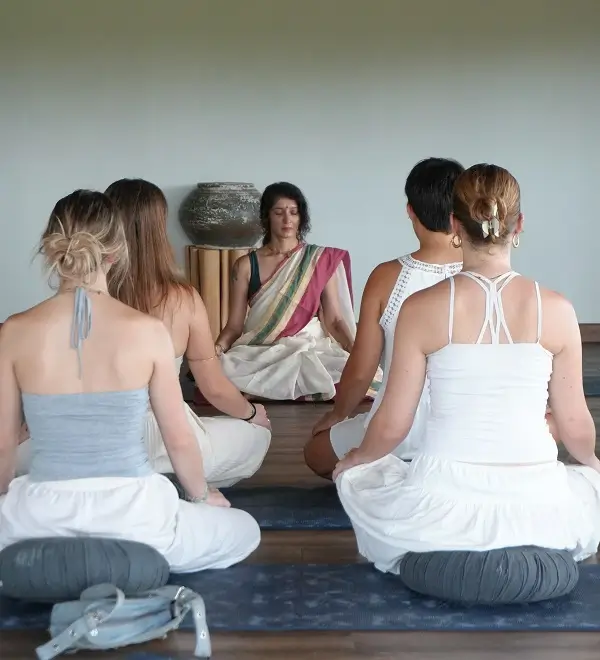
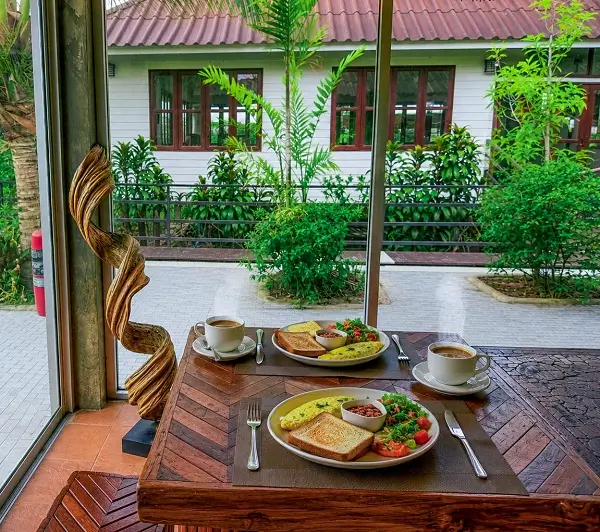
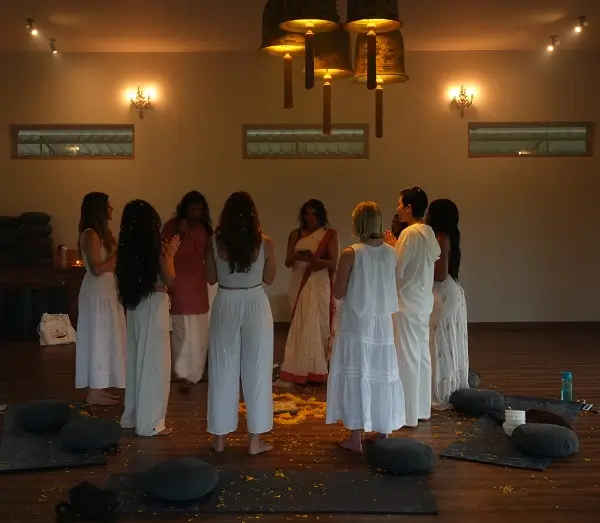
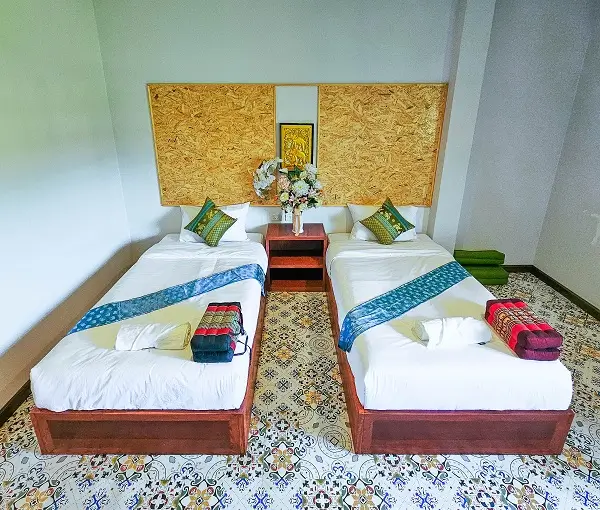
The Fundamentals
A 200 Hour YTTC (Yoga Teacher Training Course) is the entry-level, internationally recognised qualification for teaching yoga. “200 hour” refers to the minimum training hours Yoga Alliance sets for a foundational teaching certificate — asana, pranayama, meditation, philosophy, anatomy and teaching methodology, at minimum.
Yoga Alliance itself isn't a government body or an accrediting authority — it's the largest voluntary registry of yoga schools and teachers worldwide. Vinyasa Yoga Academy is registered with Yoga Alliance, which means that once you complete the course and pass your assessment, you're eligible to register yourself as an RYT 200 (Registered Yoga Teacher, 200-hour level) and teach in studios, gyms, retreats or online.
The Structure
Nothing here is taught once and left behind. Each subject comes back around more than once across the 15 days, so it has time to sink in rather than stay as notes from day three.
The Curriculum
Each subject is led by a teacher who specialises in it — nobody is teaching outside what they actually know well.
Slow, classical postures held with attention to alignment
Flowing sequences linked to the breath
Keeping students safe inside every posture
Breathing techniques that calm or energise the nervous system
Hand gestures and energy locks
Traditional yogic cleansing techniques
Traditional, straightforward techniques for a quieter mind
Guided deep rest
Sacred sound and what it means
The texts and ideas the practice is built on
How the body works, so you can teach without guessing
Yoga's sister science, and where the two overlap
How to plan, cue and hold a class
A written test and a practice-teaching session at the end
No Sanskrit or prior yoga vocabulary needed before you arrive — everything is taught from the ground up, in plain English.
The Rhythm
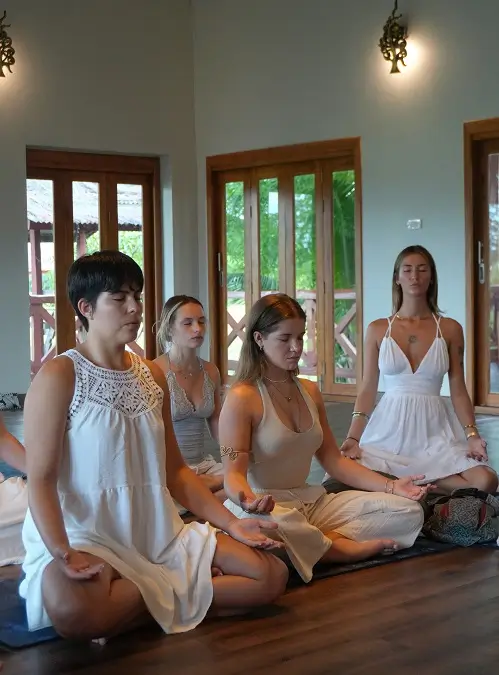
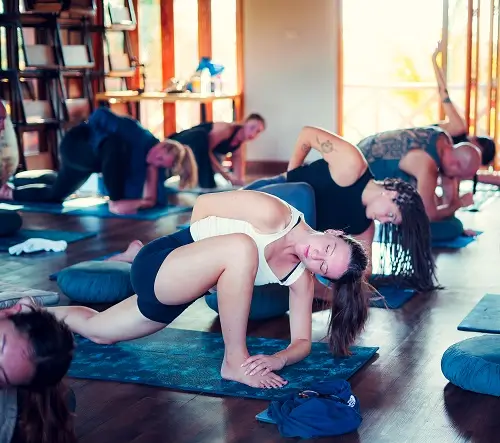
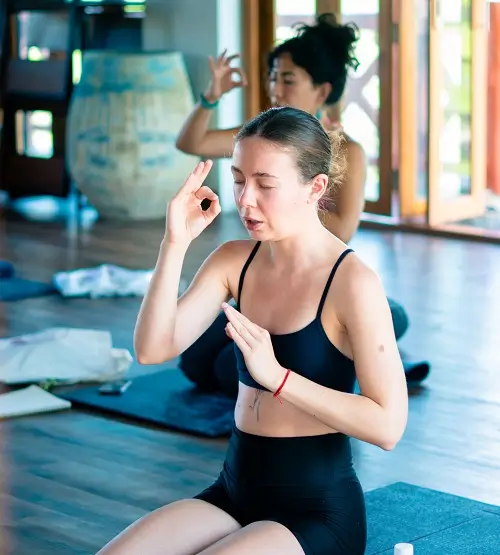

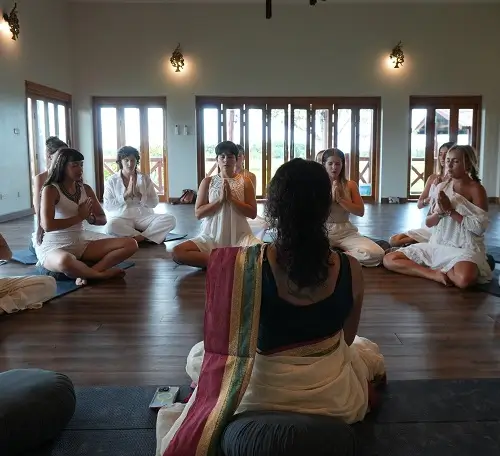
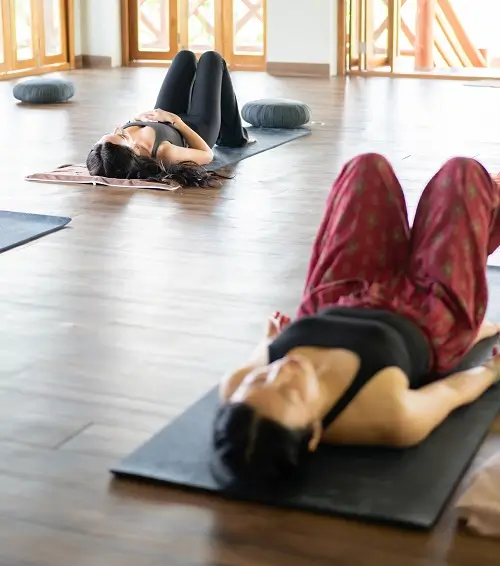
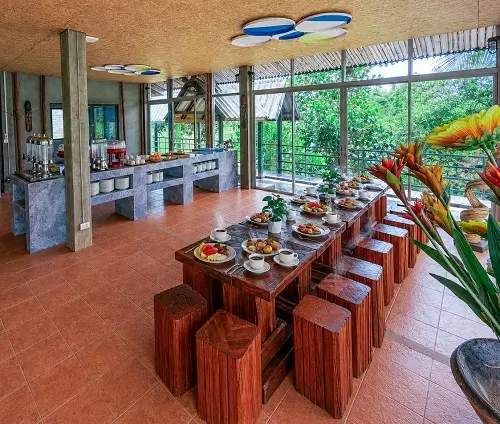
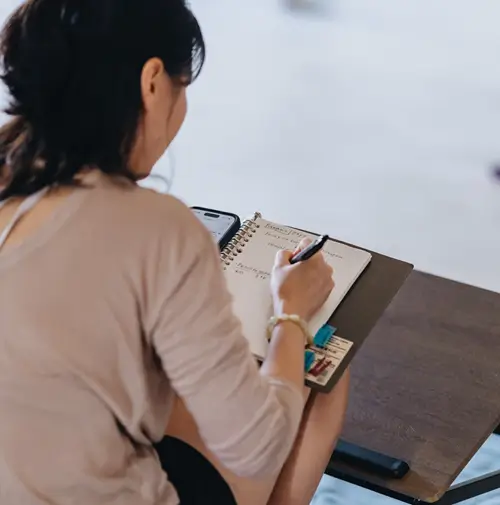
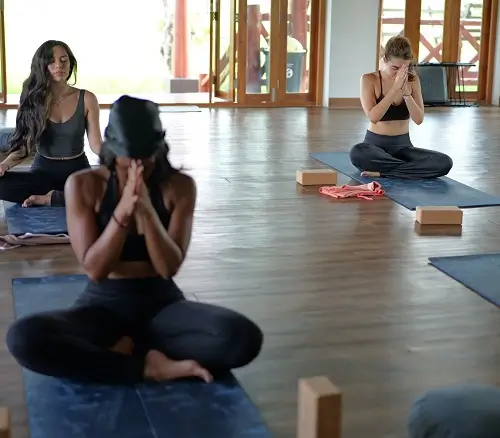
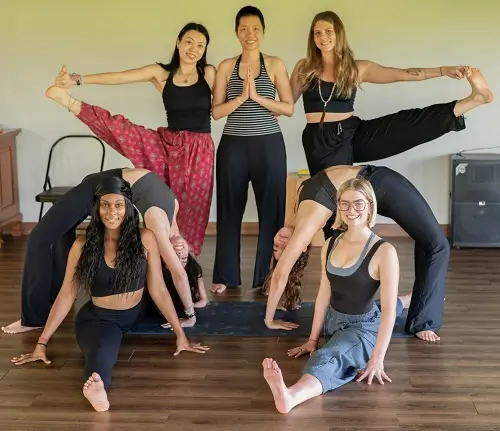
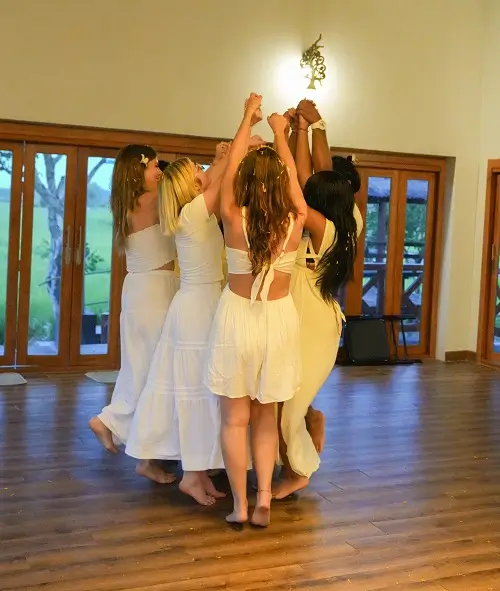
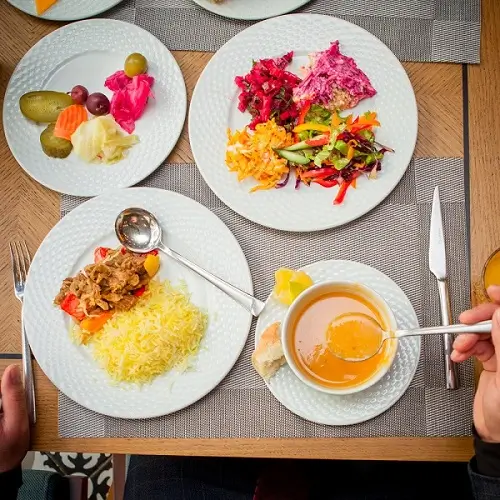
Timings shift a little with the season, so treat this as a guide rather than a fixed schedule. Attendance in scheduled classes does count toward certification, though — this isn't a drop-in retreat.
The Fee
One fee covers the course, and it's worth knowing exactly what that includes before you compare it to anywhere else.
 Still weighing it up?
Which dates are still open, private or shared room, what the fee covers for you — ask and you’ll get a straight answer, not a brochure.
The Fit
The course starts from the basics and builds at a pace you can actually keep up with.
Who want to go deeper into alignment, breath work and philosophy than a studio class allows.
Who want the skills and the certificate to teach for real.
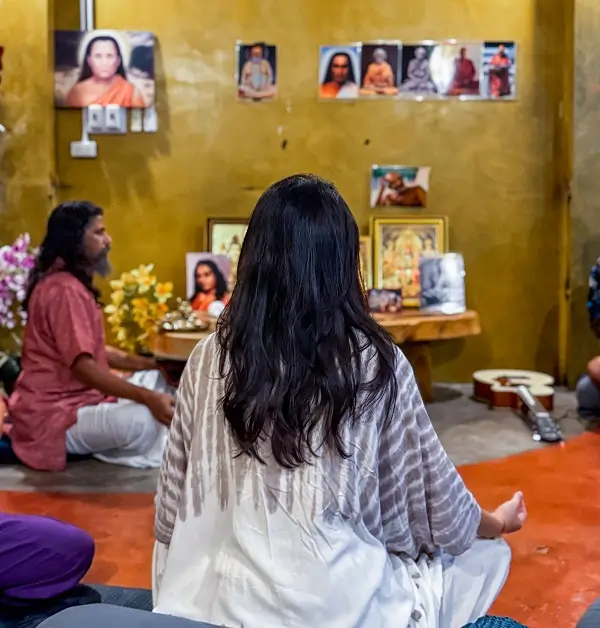
Fifteen days away from your usual routine, with nothing to do but practise and rest.
There's no age, body type or fitness level this course is built for or against. What it asks for is your attendance and your attention, every day.
The Teachers
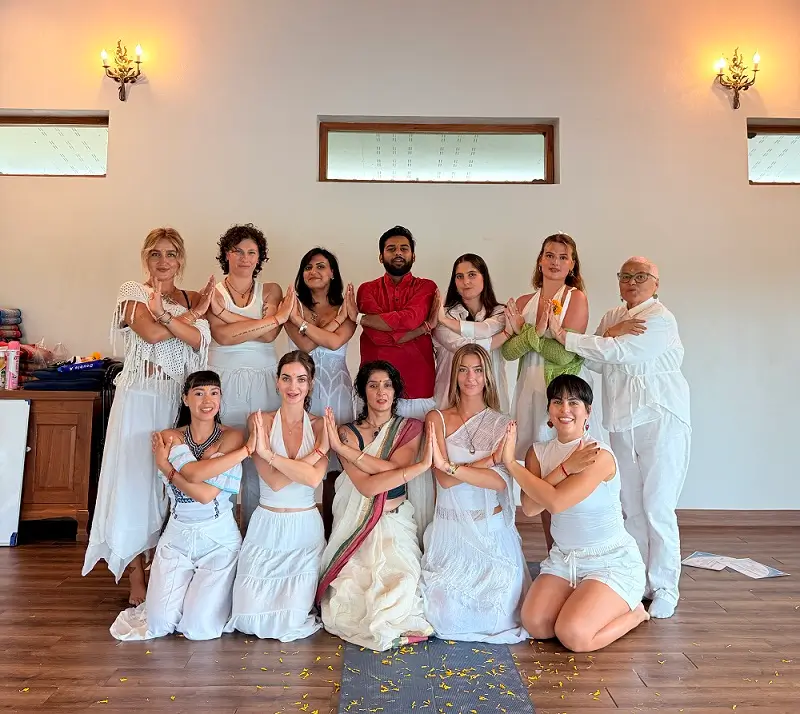
Each of the 14 subjects is led by a teacher who specialises in it, so nobody is teaching outside what they know well. The approach carries over from the school's original campus in Rishikesh, where Vinyasa Yoga Academy has taught for 15+ years.
The Comparison

The Final Step
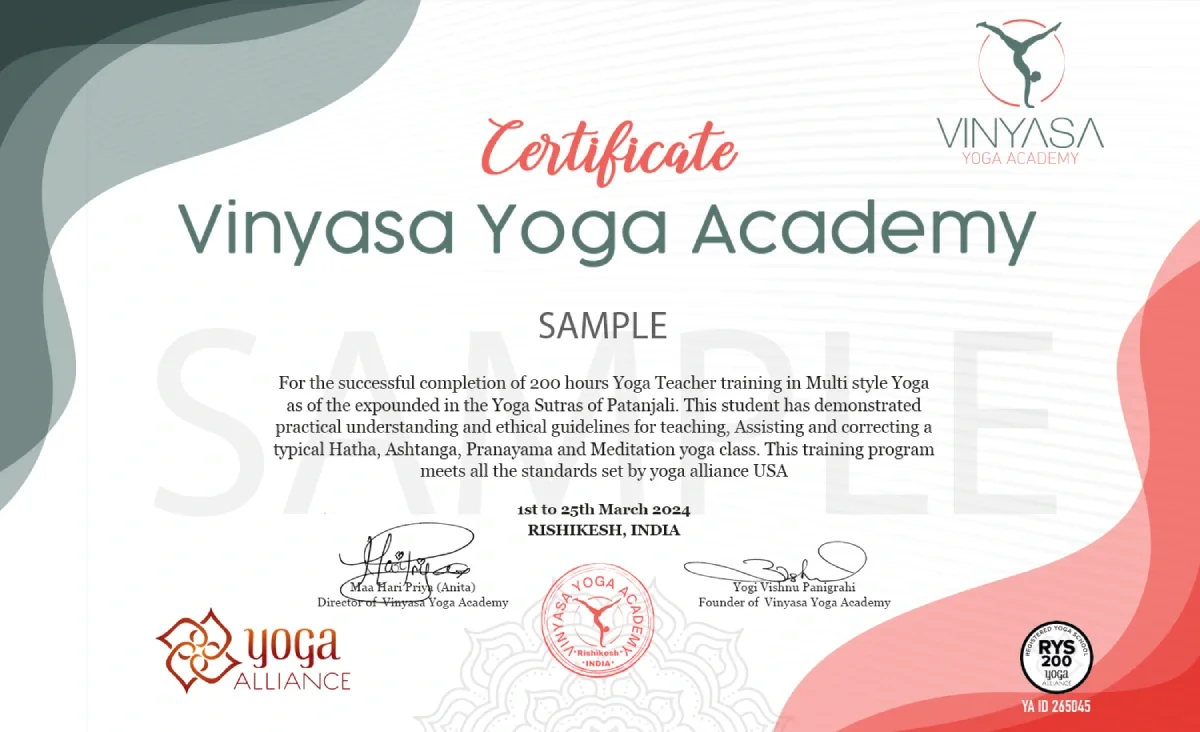
At the end of the 15 days, you sit a written test and lead a practice class in front of your teachers. Pass both, and you receive your 200 Hour YTTC certificate — the document you then use to register yourself with Yoga Alliance as an RYT 200 teacher.
1st to 15th Oct 2026
| Room type | Price |
|---|---|
| Only course | $899 |
| 6 sharing room Free stay & food | $899 |
| 4 sharing room | $1049 |
| 2 sharing room | $1299 |
| Private room | $1599 |
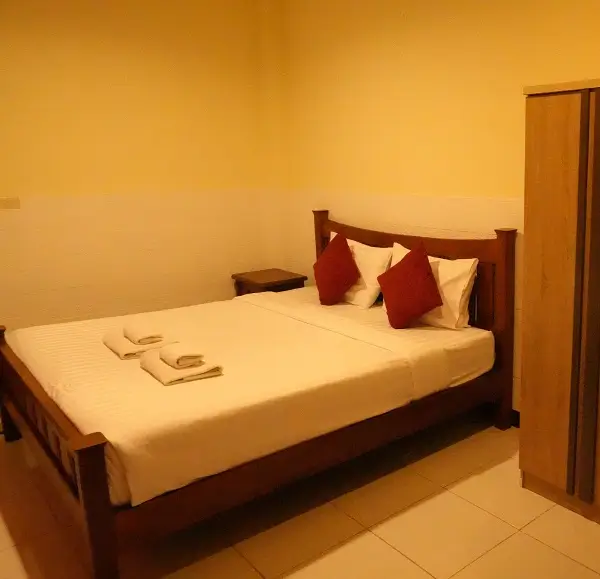
All prices include accommodation, food, classes and certification. No hidden charges.
The Questions
Yes. Most students arrive with little or no yoga experience. The course is built to start from the basics and build from there.
No. Classes are taught in plain English, and a lot of our students aren’t native speakers either — we keep the language simple on purpose.
Yes, including for women travelling alone. It’s one of the calmer, more welcoming cities in Thailand for solo travel.
Tell your teacher or reception as soon as you can. We’ll help you rest and catch up on notes afterwards. Since attendance counts toward certification, talk to us early if you think you’ll miss more than a class or two.
Yes — a number of students move straight into the 300 Hour Yoga Teacher Training to keep their momentum and go deeper.
Sundays are free. Rest, explore Chiang Mai on your own, or join the optional excursion.