









12 Best Vegetarian Foods for Weight Loss
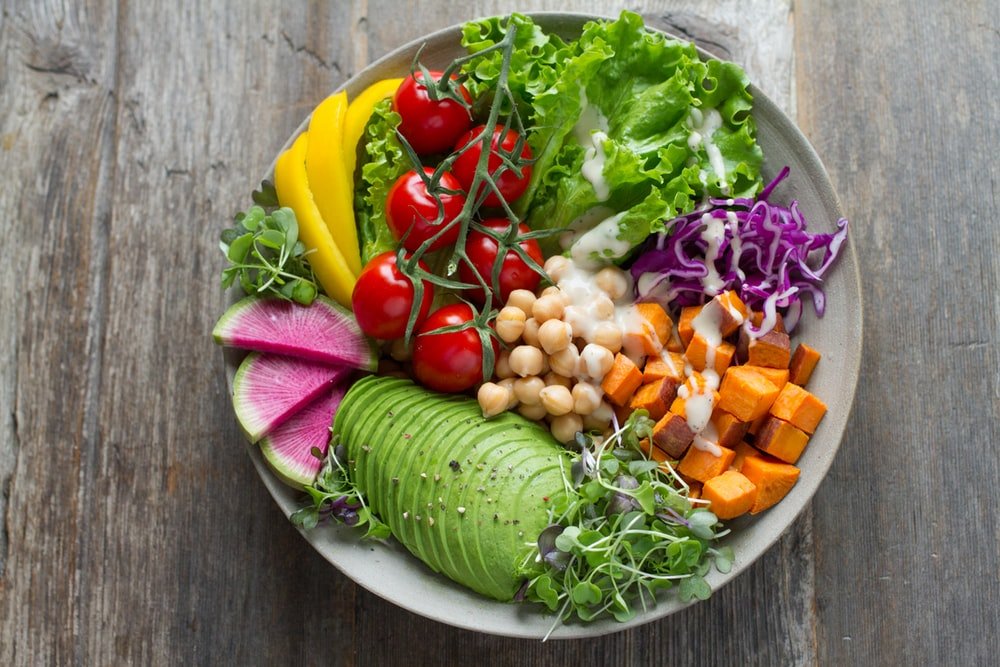
Table of Contents
- Does a Vegetarian Diet Work Well for Weight Loss?
- What Should a Weight Loss Food Plan Look Like? (The Foundation)
- Composition of a Vegetarian Weight Loss Diet Plate
- 12 Best Vegetarian Foods for Weight Loss
- 1. Lentils and Pulses (Dal, Moong, Chana, Rajma)
- 2. Leafy Greens (Spinach, Methi, Lettuce)
- 3. Paneer and Curd
- 4. Sprouts
- 5. Amla (Indian Gooseberry)
- 6. Millets (Bajra, Jowar, Ragi)
- 7. Soybean and Soy Chunks
- 8. Pumpkin and Ash Gourd
- 9. Drumstick (Moringa) Leaves
- 10. Jackfruit (Raw, Not Ripe)
- 11. Black Chickpeas (Kala Chana)
- 12. Buttermilk (Chaas)
- Everyday Vegetables for a Sustainable Weight Loss Journey
- One Day Vegetarian Food Plan for Weight Loss
- One Week Vegetarian Food Plan for Weight Loss
- What To Avoid During a Vegetarian Diet for Weight Loss?
- The Role of Seeds & Spices in Your Diet Plan
- How Does Yoga Complement a Vegetarian Weight Loss Diet?
- What Are Some Common Mistakes People Make on a Vegetarian Weight Loss Diet?
- A Quick Comparison: Smart Swaps for Common Foods
- How Long Does It Take to See Results?
- A Note on Mindset
- Final Thoughts
- Frequently Asked Questions
- Is a vegetarian diet enough for weight loss, or do I need supplements?
- What is the best time to eat dinner for weight loss?
- Can I lose weight on a vegetarian diet without exercise?
- Which Indian foods are best for weight loss?
- Is ghee allowed in a weight loss diet?
- How many meals should I eat in a day to lose weight?
So, you’re a vegetarian and aiming to shed weight?
You probably think the journey is harsh, rough, and you quit the same day you try but weight loss is a game of balance, self-control, and mindset.
Most people who try a vegetarian diet for weight loss make one common mistake. They cut rice, skip ghee, and load up on salads. And then wonder why they feel tired and hungry all the time.
The truth is, a good vegetarian weight loss diet has nothing to do with starving yourself. It is about eating the right combination of foods, so your body burns fat while keeping you full and energetic.
Does a Vegetarian Diet Work Well for Weight Loss?
A vegetable diet for weight loss is naturally lower in calories and higher in fibre than a meat-heavy diet. Fibre plays a key role in filling your stomach, slowing digestion, and keeping blood sugar steady. Having a fibre-rich diet means dealing with fewer cravings throughout the day.
Instead of having a broken meal that features unbalanced nutrients and dismantles your resolution, you can try out fixing your food. Pulses, legumes, and whole grains bring plant protein into the picture, and protein is the nutrient that keeps you from feeling tired and hungry every two hours.
Ayurveda has always treated a plant-based, ‘sattvic’ diet as easier on digestion (agni). When your digestion works well, your body stops holding on to extra water and waste, which usually shows up as the first few kilos lost in any new diet.
What Should a Weight Loss Food Plan Look Like? (The Foundation)
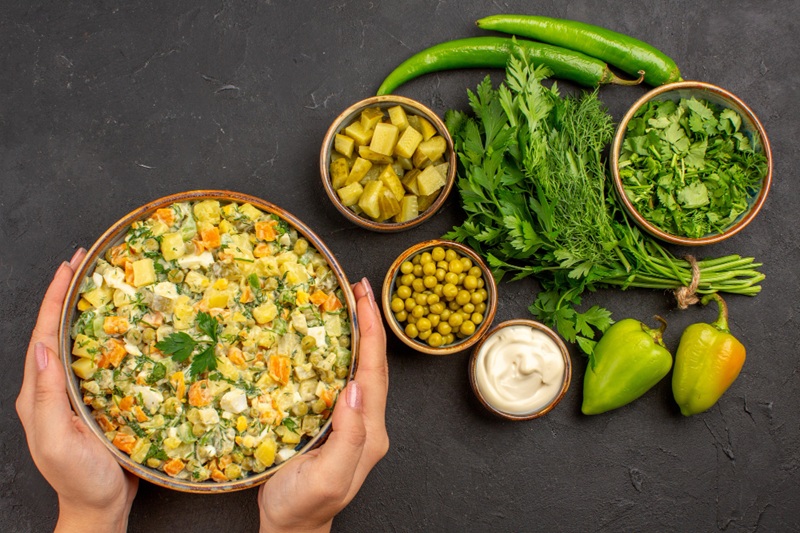
Before jumping into specific foods, let’s help you understand the shape of a good, sensible vegetarian diet food plan for weight loss. Every meal should ideally have three things on the plate:
- A protein source (dal, paneer, tofu, sprouts, curd)
- A fibre source (vegetables, salad, or fruit)
- A complex carb in a moderate portion (roti, brown rice, millets)
This combination, blend, mix, or arrangement (whatever you call it) is what separates a weight loss vegetarian diet plan that actually yields results from one that leaves you raiding the kitchen even after you’ve had your meals.
Composition of a Vegetarian Weight Loss Diet Plate
Instead of memorising meal plans, you can build your own meals using whatever vegetables or dal are available at home.
Just remember that half of your plate (50%) should be vegetables you could eat raw or lightly cooked, a quarter (25%) should be something with protein, and the last quarter (25%) should be your grain, with a small, deliberate touch of healthy fat tying it together.
If a meal doesn’t roughly match this division, it’s usually either too heavy (too much grain, too little vegetable) or won’t keep you full (too little protein).
Picture your plate divided into four parts:
| Plate Section | Portion Size | What Goes Here | Why It Matters |
| Vegetables & Salad | Half the plate | Leafy greens, cucumber, carrot, broccoli, gourds | Adds fibre and volume with minimal calories |
| Protein | One quarter | Dal, paneer, sprouts, soya, curd | Keeps hunger away for longer; protects muscle while losing fat |
| Whole Grains/Millets | One quarter | Roti (multigrain/jowar/bajra), brown rice, millet khichdi | Provides steady energy without sharp sugar spikes |
| Healthy Fat (small) | As much as a teaspoon | Ghee, a few nuts, or seeds | Supports nutrient absorption and hormone balance |
This composition is something you can apply to any meal, anywhere, without a calculator. It does more for long-term weight management than counting calories ever does.
12 Best Vegetarian Foods for Weight Loss
Here is a breakdown of vegetarian foods for weight loss that deserve a permanent spot in your kitchen.
1. Lentils and Pulses (Dal, Moong, Chana, Rajma)
Dal is probably the most underrated weight loss food in Indian kitchens. One cup of cooked moong dal has close to 12 grams of protein and very little fat. It digests easily, keeps your stomach full, and pairs with almost anything.
2. Leafy Greens (Spinach, Methi, Lettuce)
Green vegetables are some of the best low calorie indian vegetarian food for weight loss options. Why? Because they take up a lot of space on the plate for a very few calories. Meaning, you can even eat a plate full of them, and still your calorie intake would be much lower.
Methi (fenugreek) in particular has been used in Ayurveda for centuries to support healthy blood sugar levels.
3. Paneer and Curd
Paneer (when not deep-fried) is one of the best high protein vegetarian foods for weight loss. And curd, especially homemade and not sweetened, adds probiotics that support gut health. A healthy gut is directly linked to better metabolism.
4. Sprouts
A bowl of mixed sprouts, like moong, chana, or matki, is a complete snack in itself that is high in protein, fibre, and enzymes. It’s also one of the easiest to make protein-rich vegetarian food for weight loss options you can prepare the night before in five minutes.
5. Amla (Indian Gooseberry)
One small amla a day, eaten raw or in the form of juice, is rich in vitamin C and supports healthy liver function, which plays a quiet but real role in your body’s fat-processing abilities.
6. Millets (Bajra, Jowar, Ragi)
Millets digest more slowly than white rice, which means they release energy steadily instead of immediately spiking your blood sugar. Millets are a smart swap if you’re building an indian food diet plan for weight loss and don’t want to give up rotis entirely.
7. Soybean and Soy Chunks
Soy chunks (nutri-nuggets) are one of the few plant foods with a complete amino acid profile (similar to meat). They easily absorb the flavour of whatever they’re cooked in, making them an easy swap in different gravies without losing taste.
8. Pumpkin and Ash Gourd
Both are high in water content and pectin, a type of fibre that slows the rate at which sugar enters the bloodstream. Ash gourd, in particular, is used in many traditional weight-management recipes, mostly as a juice in small quantities.
9. Drumstick (Moringa) Leaves
Often ignored, moringa leaves are extremely nutrient-dense and have very few calories. A simple moringa leaf sabzi or soup adds iron and calcium without adding bulk to your calorie count.
10. Jackfruit (Raw, Not Ripe)
Raw jackfruit cooked as a sabzi has a meaty texture and is genuinely fulfilling, while being far lower in calories than it looks. It’s a good option for people who miss the texture of non-vegetarian dishes.
11. Black Chickpeas (Kala Chana)
Slightly harder to digest than regular chana, which actually is a benefit here as it keeps you fuller for longer and has a lower glycaemic impact than most other legumes.
12. Buttermilk (Chaas)
A glass of plain buttermilk after lunch is a digestive aid Ayurveda has used for ages. It’s light, probiotic, and helps reduce that heavy, bloated feeling that often leads to unnecessary snacking later.
Everyday Vegetables for a Sustainable Weight Loss Journey
When people ask which vegetables for weight loss diet actually make a difference, these come up again and again:
- Bottle Gourd (lauki): light, hydrating, and easy on digestion
- Cucumber: almost zero calories, high water content
- Broccoli and Cauliflower: fibre-rich and filling
- Carrots and Beetroot: naturally sweet, satisfy sugar cravings
- Bitter Gourd (karela): traditionally used to support metabolism
- Nuts and Seeds (In Small Portions)
A small handful of almonds, walnuts, or a spoon of flaxseeds adds healthy fats that actually help you absorb nutrients better and keep hunger away between meals.
One Day Vegetarian Food Plan for Weight Loss
This is a simple, realistic indian vegetarian food for weight loss day plan.
- Early Morning: Warm water with a few soaked methi seeds or a squeeze of lemon
- Breakfast: Vegetable poha or moong dal chilla with mint chutney, plus a cup of curd
- Mid-Morning Snack: A bowl of sprouts or one seasonal fruit (apple, papaya, or guava)
- Lunch: 1-2 multigrain rotis, a bowl of dal, one vegetable sabzi, and a side salad with cucumber and carrots
- Evening Snack: Roasted chana or makhana (fox nuts) with herbal tea
- Dinner: Vegetable khichdi made with millets, or a light dal with sautéed greens (kept lighter than lunch)
This diet plan follows an old Ayurvedic principle: eat your heaviest meal when digestion is strongest (midday) and keep dinner light so your body isn’t working hard while you sleep.
One Week Vegetarian Food Plan for Weight Loss
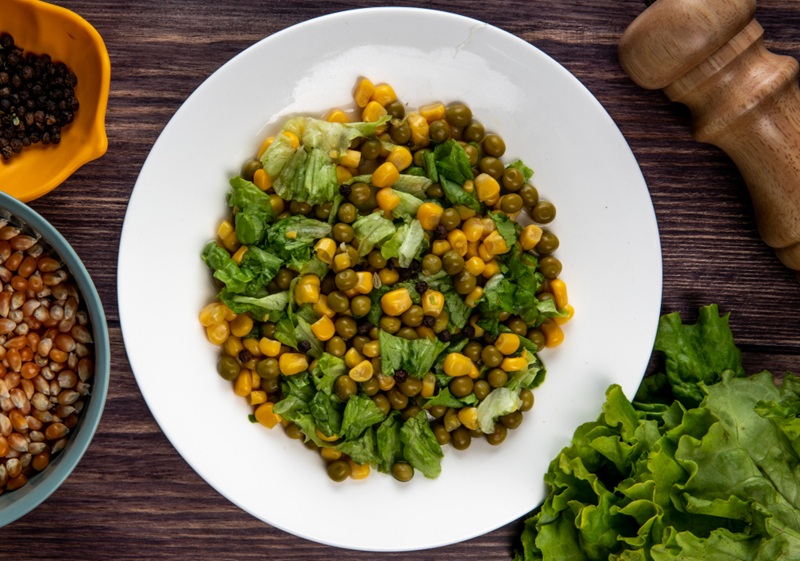
A weight loss food plan works best when it has variety. Repeating the same meals daily gets boring fast and can lead to giving up. We have developed a one-week routine for you that keeps things realistic and rotates ingredients so your gut gets the benefit of different fibres.
Monday
- Breakfast: Vegetable poha with peanuts
- Lunch: Roti, moong dal, bhindi sabzi, salad
- Dinner: Millet khichdi with vegetables
Tuesday
- Breakfast: Moong dal chilla with mint chutney
- Lunch: Brown rice, rajma, cucumber raita
- Dinner: Light vegetable soup with a small multigrain roti
Wednesday
- Breakfast: Oats with grated apple and cinnamon
- Lunch: Roti, lauki sabzi, kala chana curry
- Dinner: Paneer bhurji with sautéed spinach
Thursday
- Breakfast: Sprouts chaat with lemon
- Lunch: Jowar roti, palak dal, beetroot salad
- Dinner: Vegetable khichdi with a side of curd
Friday
- Breakfast: Idli with sambar
- Lunch: Brown rice, karela sabzi, moong dal
- Dinner: Moringa leaf soup with a small roti
Saturday
- Breakfast: Vegetable upma with peanuts
- Lunch: Roti, soya chunk curry, salad
- Dinner: Tomato and vegetable soup with roasted makhana
Sunday
- Breakfast: Stuffed methi or palak paratha (light on oil) with curd
- Lunch: Rajma or chole, brown rice, salad
- Dinner: Light dal khichdi (keep this meal simple after a heavier lunch)
Note: Snacks across the week can rotate between roasted chana, makhana, seasonal fruit, buttermilk, and a small handful of nuts. Adjust quantities based on your activity level and hunger, not the clock.
What To Avoid During a Vegetarian Diet for Weight Loss?
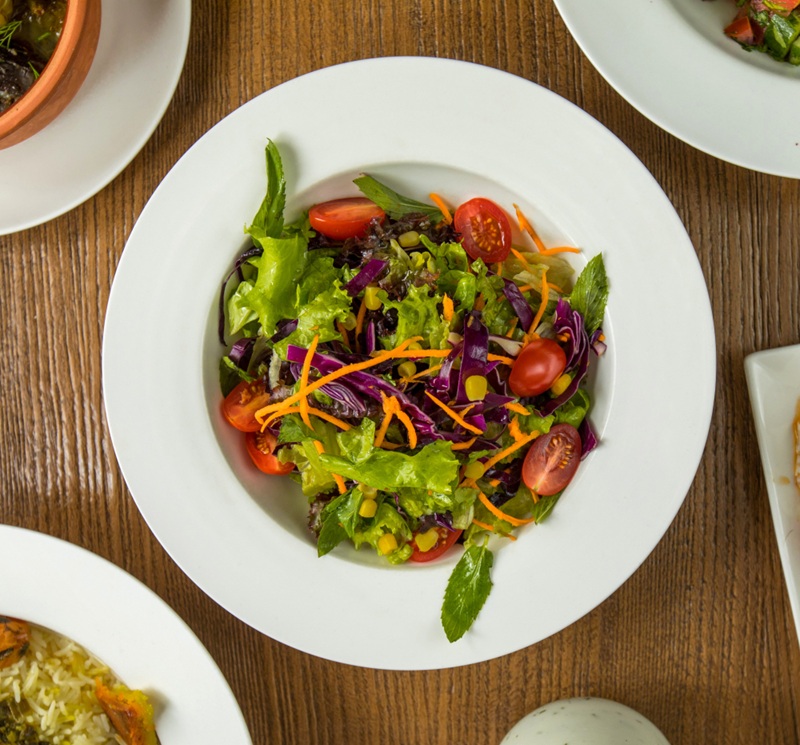
Not everything vegetarian is automatically good for weight loss. Some common traps:
- Deep-fried snacks (samosa, pakora, vada) are vegetarian but calorie-dense
- Sugary breakfast cereals and packaged juices
- Excess white rice and refined flour (maida) in every meal
- So-called “healthy” smoothies loaded with honey, banana, and dried fruit altogether
A good rule to follow is, if a food has been fried, or sweetened, or comes in a packet with a long ingredient list, consider it occasional, not regular.
The Role of Seeds & Spices in Your Diet Plan
This part is something most weight loss articles skip entirely. Indian kitchens already have natural metabolism supporters sitting in their spice boxes. These do not burn or melt fat on their own, but they support a healthy bowel, upon which everything else builds up.
| Seed/Spice | Role |
| Cumin (jeera) water | A traditional digestive aid in the morning |
| Black pepper | Helps the body absorb nutrients from turmeric and other spices |
| Cinnamon (added to tea or oats) | Has a mild effect on blood sugar balance |
| Ajwain (carom seeds) | After a heavy meal, it can ease bloating |
| Fenugreek Seeds (Methi Dana) | Known to help curb the urge for sugary snacks through the morning |
| Coriander Seeds | Kidney function and reduce water retention |
| Turmeric with Warm Milk (Haldi Doodh) | Supports overnight repair processes |
| Fresh ginger | Used to kindle digestive fire, or agni, in Ayurveda |
| Asafoetida (Hing) | Reduces gas and bloating |
| Mustard seeds | Believed to stimulate digestive secretions |
| Star Anise and Fennel (Saunf) | Freshens breath, eases post-meal heaviness |
How Does Yoga Complement a Vegetarian Weight Loss Diet?
Diet and movement work better together.
A few yoga poses and practices that pair naturally with a vegetarian diet are:
| Yoga | Benefits |
| Surya Namaskar (Sun Salutations) | Builds heat in the body; improves blood circulation |
| Pavanamuktasana (Wind-Relieving Pose) | Helps with bloating, common when increasing fibre intake |
| Kapalbhati Pranayama | A breathing practice done to boost digestion and energy |
| Trikonasana (Triangle Pose) | Gently stretches the sides of the abdomen |
| Bhujangasana (Cobra Pose) | Eases constipation |
| Anulom Vilom (Alternate Nostril Breathing) | Calms the nervous system; directly linked to fewer stress-driven cravings |
If you want to understand these yoga practices in more depth, Yoga Teacher Training in Rishikesh can help you learn about yoga poses, breathing techniques, meditation, and their role in overall well-being. It also helps build a better understanding of how yoga can become part of a healthy daily routine.
Poor sleep is one of the biggest hidden drivers of weight gain through increased hunger hormones. Yoga Nidra helps with it.
Walking Meditation (post-meal) is not an official asana, but a slow, mindful 10-minute walk after dinner. Practiced almost like a moving meditation, it can help enhance digestion far better than sitting or lying down immediately after having meals.
What Are Some Common Mistakes People Make on a Vegetarian Weight Loss Diet?
- Skipping Protein Entirely: Many vegetarians under-eat protein because they assume ‘veg = light.’ This leads to muscle loss along with fat loss, which slows metabolism over time.
- Going Too Low On Fat: Some healthy fats (ghee in small amounts, nuts, and seeds) are needed for hormonal balance. Cutting fat completely can backfire.
- Eating the Same Vegetables On Rotation: Different vegetables bring different fibres, which feed different gut bacteria. Variety matters.
- Not Drinking Enough Water: Fibre needs water to move through the digestive system. More fibre without more water can actually cause bloating and discomfort.
A Quick Comparison: Smart Swaps for Common Foods
| Instead Of | Try | Why It Helps |
| White rice | Brown rice or millets | Slower digestion, steadier energy |
| Maida roti | Multigrain or jowar roti | More fibre, more filling |
| Fried snacks | Roasted chana, makhana | Same crunch, far fewer calories |
| Sugary tea | Cinnamon or tulsi tea | Easy digestion, less sugar |
| Packaged juice | Whole fruit | More fibre, less sugar spike |
How Long Does It Take to See Results?
The answer depends on consistency more than intensity. Most people following a proper vegetarian weight loss diet notice less bloating within the first week, visible changes in 3-4 weeks, and steady fat loss over 2-3 months.
Crash diets promise faster results but rarely last, and the weight returns quickly once normal eating resumes.
A Note on Mindset
Weight loss diets often fail not because of the food, but because of how people think about food.
Treating meals as good or bad, or skipping them entirely out of guilt after one indulgent dinner, creates a loop of restriction and overeating. A calmer approach is to eat mindfully, without distractions, and stop when feeling full. It will do more for long-term weight management than any single food on this list.
Final Thoughts
A vegetarian diet for weight loss isn’t about restriction. It isn’t about giving up. It’s as simple as assembling a plate that keeps you satisfied, aids in digestion, and fits into your real life.
Swap one refined food for a whole-food alternative this week, add one green vegetable to your lunch, and pay attention to how your body feels rather than just the number on the machine.
Combined with simple yoga practices and mindful eating, these small shifts lead to results that actually last.
Frequently Asked Questions
Is a vegetarian diet enough for weight loss, or do I need supplements?
For most people, a well-planned vegetarian diet can provide enough protein, fibre, and essential nutrients without supplements. The key is to eat a balanced diet. A vegetarian diet for weight loss should include dal, paneer, curd, nuts, and a variety of vegetables, not just rice and roti.
What is the best time to eat dinner for weight loss?
Ayurveda and modern nutrition both suggest finishing dinner at least 2-3 hours before sleeping and keeping it lighter than lunch. This is to give your digestive system time to process food before the body slows down for rest.
Can I lose weight on a vegetarian diet without exercise?
Diet alone can lead to weight loss, but combining it with some sort of movement (even walks or light yoga) will help you maintain your muscles, fix your digestion, and make your results last longer.
Which Indian foods are best for weight loss?
Dal, sprouts, vegetable khichdi made with millets, curd, and seasonal vegetables cooked with minimal oil are some of the most effective and accessible Indian vegetarian foods for weight loss.
Is ghee allowed in a weight loss diet?
A small amount of ghee (about a teaspoon) in dal or on roti is generally fine and even helpful for digestion. The issue comes in the quantity, not in the ingredient itself.
How many meals should I eat in a day to lose weight?
There’s no single correct number. Some people do well with three meals and one snack; others prefer smaller, more frequent meals. What matters more is portion size, food quality, and not skipping meals to the point of extreme hunger. Plan according to your needs!
This article is for general information and is not medical advice. If you have a respiratory or heart condition, are pregnant, or are unsure whether these practices suit you, please speak to your doctor before beginning.