








Benefits Of Yoga For Long-Term Health & Fitness
Table of Contents
- What Is Yoga, Really?
- Modern Yoga Combines Three Main Elements:
- Yoga at a Glance: What It Does for You
- What Yoga Does for the Physical Body
- 1. Flexibility, But Not as an End in Itself
- 2. Builds Strength Inside Out
- 3. Posture and the Body You Live In
- 4. For Spine: The River of Life
- The Mental Health Benefits of Yoga
- 1. What Happens Inside the Brain
- 1. Stress, Cortisol, and the Life You Are Actually Living
- Yoga Benefits for Heart & Immunity
- Your Breath: The Bridge Between Body and Mind
- Sleep, Rest, and the Yoga of Letting Go
- Benefits of Yoga for Students
- Benefits of Yoga for Women
- For Menstrual Health
- For Pregnancy
- For Menopause
- Benefits of Yoga for Kids: Planting Seeds Early
- Find Your Practice: Major Styles of Yoga & Their Nature
- Start Experiencing Yoga Benefits: A Simple 7-Day Plan
- Where You Learn Yoga Matters
- Moving Ahead: The Power of Daily Practice
- Frequently Asked Questions About the Benefits of Yoga
Everyone tells you to try yoga. Your therapist, your colleague, that one friend who won’t stop talking about how it changed her life. But you wonder, is it actually worth the fuss, or is it just another wellness trend dressed up in Sanskrit?
Yoga has been practised for over 5,000 years, and in 2025, it has more scientific backing than ever. America’s National Institutes of Health (NIH), Johns Hopkins Medicine, and Harvard Health all confirm what millions already feel on their mats every day: Benefits of yoga asanas indeed span your body, mind, sleep, and stress levels.
“Yoga is not a workout. It is a work-in. And it is the point of spiritual practice. To make us teachable, to open up our hearts and focus our awareness so that we can know what we already know and be who we already are.”
– Rolf Gates
What Is Yoga, Really?
Yoga is a mind-body practice rooted in ancient Indian philosophy. The word comes from the Sanskrit “yuj,” meaning to unite, to bind, to connect. At its core, yoga is about connecting your breath, body, and mind into one focused experience.
The ancient texts describe yoga as the quieting of the fluctuations of the mind, or chitta vritti nirodha, as Patanjali wrote in the Yoga Sutras thousands of years ago.
The physical postures we call ‘asanas‘ are one of the eight limbs described in Patanjali’s classical system. Alongside them are ethical principles (yamas and niyamas), breath control (pranayama), withdrawal of the senses (pratyahara), concentration(dharana), meditation (dhyana), and ultimately, union itself(samadhi). What most people practise in studios today is one limb of a much larger, more profound science.
Modern Yoga Combines Three Main Elements:
| Asanas | Physical postures |
| Pranayama | Breath-control techniques |
| Dhyana | Meditation and mindfulness |
Practised together, these three don’t just make you flexible and strong. They create a full-system reset, physically, mentally, and emotionally. That’s what makes the health benefits of yoga so wide-ranging and lasting.
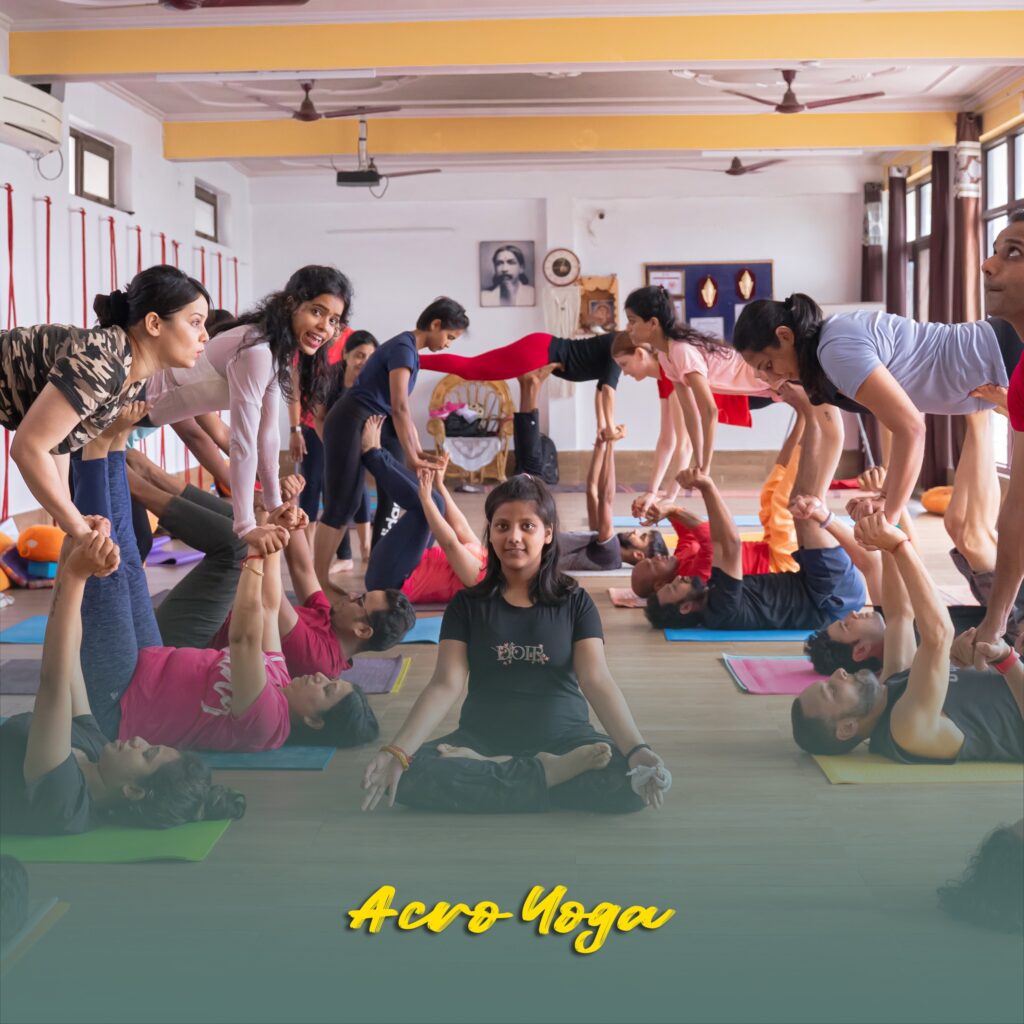
Yoga at a Glance: What It Does for You
Yoga is one of the most complete, accessible, and sustainable health and wellness practices available to anyone.
– Guru Yogi Vishnu Panigrahi
No one who practices yoga does not feel its benefits in their body. No matter where you are in life, yoga is for you. It doesn’t matter your age, your flexibility, your fitness level, or what stage of your career you’re in. It is limitless for every single person, and it’s for them to explore yoga and its benefits.
| Benefit Area | What Yoga Does | Who It Helps Most |
| Physical Health | Improves flexibility, strength, posture, and balance | Everyone, from beginners to athletes |
| Mental Health | Reduces anxiety, stress, and depression symptoms | Students, professionals, women |
| Pain Relief | Supports hormonal balance, menstrual health, and prenatal wellness | Desk workers, seniors |
| Heart Health | Lowers blood pressure and resting heart rate | Adults 35+, people with hypertension |
| Sleep | Helps you fall asleep faster, sleep more deeply | Insomnia sufferers, shift workers |
| Women’s Health | Boosts focus, emotional control, and self-confidence | Women of all ages |
| Kids & Students | Boosts focus, emotional control, self-confidence | Children, teens, college students |
What Yoga Does for the Physical Body
Let us begin where most people begin, the body. The physical benefits of yoga asanas are well-documented, wide-ranging, and significant. But they are also often misunderstood. Physical benefits of yoga are, but not limited to, as follows:
1. Flexibility, But Not as an End in Itself
Flexibility in yoga is less about achieving impressive shapes and postures and more about removing the physical obstructions that create pain, tension, and restricted movement in ordinary life.
A long-term yoga practice, particularly styles like Ashtanga or Yin Yoga that hold postures for three to five minutes, gradually restores the natural range of motion that modern, sedentary life has stolen.
A few physical limitations and their effects are:
| Tight hip flexors | Compress the lower back |
| Shortened hamstrings | Pull the pelvis out of alignment |
| Stiff thoracic spines | Causes neck and shoulder pain |
Scientific research confirms that yoga both slows the age-related loss of flexibility and reverses developing stiffness, especially in adults over sixty.
2. Builds Strength Inside Out
Unlike conventional exercise that isolates muscles, yoga builds what teachers in the Himalayan tradition call ‘sthira‘, or steadiness, integrated strength. This is why longtime yoga practitioners often appear lean and capable without ever having lifted a weight.
When you hold poses like Warrior I, II, or III, you engage your entire kinetic chain from your hips and core to your shoulders and breath. When you flow through Chaturanga with proper alignment, you are training the deep stabilisers of the spine that no machine in a gym can reach.
In brief, yoga practice tends to build functional strength that protects joints, supports the spine, and serves you in the actual movements of everyday life.
3. Posture and the Body You Live In
Years of desk work, phone use, and unconscious tension have trained our bodies into collapsed, forward-drawn postures. Most of us are no longer aware of how we hold ourselves. Not through force, but awareness, yoga systematically reverses this.
In the yogic tradition, this awareness is the felt sense of where the body is in space, also called proprioception. As it develops through practice, you begin to notice minor shifts in your body, like the moment your shoulders creep toward your ears, your lower back collapses, or your breath shallows. This carries off the mat into every part of life.
4. For Spine: The River of Life
The ancient yogis placed enormous importance on the health of the spine. Many classical texts describe the spine as the axis of the human being, the channel through which prana, or life energy, flows. ‘Keep the spine healthy,’ they said, ‘and the whole system thrives.’
Modern anatomical science agrees, at least partially. The spinal cord is the central conduit of the nervous system. Spinal compression and misalignment are the underlying causes of many chronic back pain conditions in people.
What’s worth noting is that the American College of Physicians recommends yoga as a first-line treatment for chronic lower back pain — a fact that the yoga practitioners would perhaps not find odd.
The Mental Health Benefits of Yoga
We live in an era of soaring anxiety. The World Health Organization reported a twenty-five percent global increase in anxiety and depression following the pandemic. Increasingly, technology has accelerated everything except our ability to be still. And the mental health crisis is real, and it is worsening.
Yoga meets this crisis not with some prescription or treatment, but with a simple, consistent practice. The mental health benefits of yoga are now among the most extensively researched in integrative medicine.
A 2025 study published in Frontiers in Psychology found that yoga meditation significantly reduced anxiety, depression, and perceived stress while improving emotional regulation and psychological resilience. The military, schools and universities, and health and wellness institutions are all incorporating yoga into mental health programmes as a primary therapeutic technique.
1. What Happens Inside the Brain
What the sages called inner knowing, neuroscience is beginning to map. Regular yoga practice has been proven to increase the levels of gamma-aminobutyric acid, or GABA, a neurotransmitter associated with calmness and emotional stability.
It stimulates the production of BDNF, brain-derived neurotrophic factor, sometimes called “brain fertiliser,” which supports the growth of new neural connections and is linked to reduced depression.
Yoga also changes the structure of the brain over time. Areas associated with self-awareness, compassion, and introspection show increased thickness and improved activity in long-term practitioners.
1. Stress, Cortisol, and the Life You Are Actually Living
Chronic stress is becoming a defining health challenge of modern life. Prolonged high cortisol disrupts hormonal balance, promotes systemic inflammation, suppresses immunity, and accelerates ageing at the cellular level. Yoga interrupts this cycle. Not once, but over and over, each time you practise.
The combination of mindful movement, breath regulation, and meditative stillness eventually refreshes the nervous system, which lowers the baseline levels of cortisol. It conveys to the body that security is the default state rather than a threat.
This is why people who practise yoga consistently often describe not just feeling calmer during yoga but feeling fundamentally different in their ordinary life. Slower to react, and quicker to return to equilibrium. Less consumed by the noise of the mind.
Yoga Benefits for Heart & Immunity
The cardiovascular benefits of regular yoga practice are now well-established. Sustained yoga asana and pranayama practice lowers blood pressure, improves lipid profiles, and decreases the inflammatory markers associated with heart disease. Johns Hopkins Medicine notes that yoga addresses several major risk factors for cardiovascular disease simultaneously, with stress, excess weight, and hypertension being among them.
The body is not a machine that breaks down and requires repair. It is a self-organising, self-healing system. Yoga does not fix the body. It eliminates the conditions that prevent the body from treating itself.
Immunity: Chronic stress is one of the most common, severe suppressors of immune function. Since yoga reduces stress hormones and systemic inflammation, it creates the physiological conditions in which immunity can function properly.
Your Breath: The Bridge Between Body and Mind
The science of breath regulation, or Pranayama, is the expansion of the life force through a conscious relationship with breath. The word ‘prana‘ means ‘life force’. ‘Ayama‘ means ‘to extend’ or ‘to expand’. Of everything yoga offers, the teachings on breath may be the most instantly transformative.
Prolonged pranayama practice lowers cortisol, reduces blood pressure, improves heart rate variability, and increases lung capacity. Breathing is the only function of the autonomic nervous system that we can control consciously. Yoga teaches you to use that access wisely.
When you are anxious, your breath becomes shallow and fast, feeding the sympathetic nervous system. When you consciously slow and deepen your breath, you activate the parasympathetic nervous system, i.e., the state of rest, repair, and restoration.
Our Guru Yogi Vinshu asserts, “Simply slowing the exhale to twice the length of the inhale begins to shift the nervous system within minutes. Five thousand years of tradition and modern neuroscience are, here, in complete agreement.”
Sleep, Rest, and the Yoga of Letting Go
Yoga Nidra, or yogic sleep, is a guided meditative state of rest that floats between sleeping and waking. Practitioners enter a realm of deep physical relaxation while maintaining a prevailing sense of awareness. The nervous system receives the restoration of deep sleep without losing consciousness.
In the yogic science, sleep is a practice. It is not merely the absence of awakeness. For those who struggle with insomnia, racing thoughts at night, or waking unrefreshed despite hours in bed, yoga offers multiple paths to better sleep. Many studies confirm that regular yoga practice improves sleep onset, sleep quality, and next-morning energy.
Yoga Nidra guides the practitioner into the depths of relaxation. More significantly, it addresses the underlying cause of poor sleep in most people, which is often a nervous system that has itself become too nervous to let go of the day.
Benefits of Yoga for Students
The Mind That Can Learn, The Body That Can Adapt
Students today carry extraordinary cognitive and emotional loads. Academic pressure, social comparison, digital overstimulation, disrupted sleep, and a future that feels uncertain. The benefits of yoga for students address the exact conditions that prevent holistic learning and create worry, tension, and suffering in young people.
Research reviewing yoga activities in schools found visible improvements across five areas:
- reduction in psychiatric symptoms,
- stronger self-regulation,
- improved cognitive functioning,
- deeper relaxation responses, and
- enhanced overall well-being
Yoga teaches students something that no curriculum currently teaches: how to be with the mind, notice a thought without being swept away, meet discomfort without fleeing, and return to the breath when the world becomes too loud.
Benefits of Yoga for Women
The Yogic tradition has always understood that the human body is not uniform. A woman’s physiology, hormonal rhythms, reproductive capacity, and relationship with her body across decades of change deserve a practice that meets those realities with practical intelligence.
For Menstrual Health
Certain yoga asanas and pranayama techniques help regulate the hormonal axis, ease irregular menstruation, and reduce the intensity of PMS symptoms.
For Pregnancy
Prenatal yoga is associated with reduced anxiety, better birth outcomes, and greater physical resilience during labour.
For Menopause
Yoga addresses the full spectrum, from disrupted sleep, joint stiffness, and mood volatility to the deeper transition of this stage.
Beyond the physical cycles, yoga consistently supports women in developing a kinder, more grounded relationship with their own bodies. In a world that endlessly tells women what they should look like and how they should feel, yoga is a practice that asks only for true presence.
Benefits of Yoga for Kids: Planting Seeds Early
Yoga gives children tools for emotional self-regulation at an age when the nervous system is still forming. It builds body awareness, coordination, and concentration through uncompetitive and fulfilling movements.
The benefits of yoga for kids are not about flexibility or headstands. They are about equipping young human beings with an inner life. Nurseries and schools that have introduced yoga programmes have documented reductions in aggressive behaviour, improvements in attention and focus, and greater emotional stability among children.
These are the long roots. The tree that grows from them is an individual who knows how to deal with harsh internal and external stimulations.
“A child who learns to breathe when scared will grow into an adult who does not panic. A child who learns that the body can be still will know, later, how to find stillness in a world of noise.”
– Guru Yogi Vishnu Panigrahi
Find Your Practice: Major Styles of Yoga & Their Nature
Now that you understand the bouquet of benefits that yoga brings with it, it’s our duty to make you aware of the different forms, styles, and types of yoga practised commonly in India and the world.
The key thing to remember is that yoga is not one thing. Over millennia, different streams of yoga practice have evolved to meet different characteristics, needs, and stages of the seeker’s journey. Here is a brief overview:
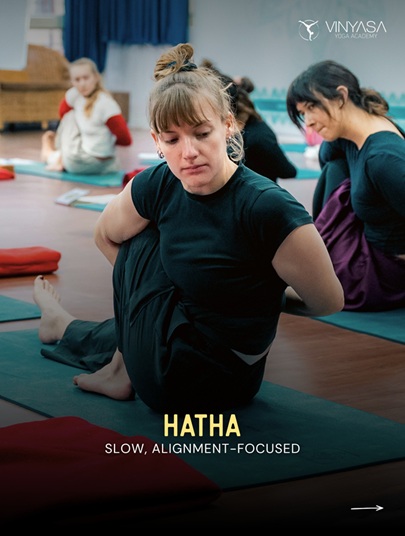
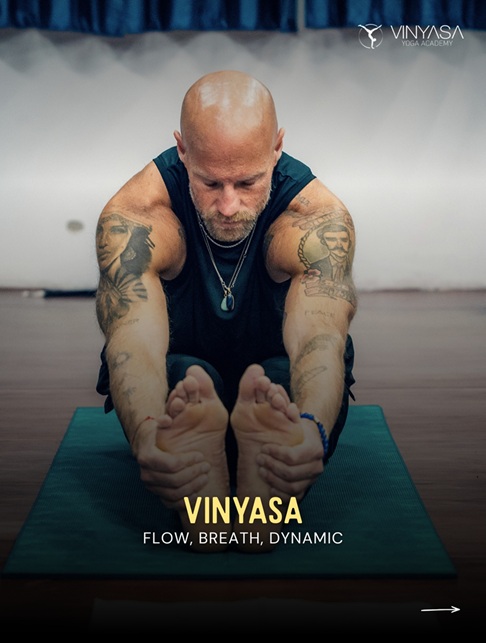
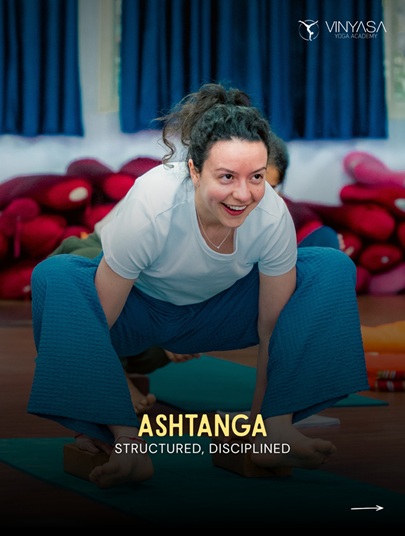
| Style | Character | Suited For |
| Hatha Yoga | Asana and pranayama in balance | Beginners + those who want to build a foundational base in yoga |
| Vinyasa / Flow | Rhythmic, breath-synchronised movement | Those who seek stillness through motion |
| Ashtanga Yoga | A fixed sequence of postures practised daily | Disciplined seekers who value structure and challenge |
| Kundalini Yoga | Breath, sound, movement, and energetic awakening | Spiritual seekers + those drawn to energy work |
| Raja Yoga | The royal path of meditation, concentration, inner mastery | Those whose primary inquiry is the nature of the mind |
| Yin Yoga | Long-held floor postures, deep connective tissue work | Release and surrender, as opposed to an active life |
| Restorative Yoga | Total submission through stabilising, held postures | Burnout, illness, grief, deep nervous system rest |
| Yoga Nidra | Guided conscious rest at the boundary of sleep | Stress, insomnia, trauma, inner peace |
| Prenatal Yoga | Adapted practice for the body and mind during pregnancy | Expectant mothers throughout all trimesters |
Start Experiencing Yoga Benefits: A Simple 7-Day Plan
After learning about the holistic benefits of yoga and the types of yoga styles available, what you need to get started is a plain and simple roadmap. While we recommend you visit a teacher and get a customised weekly or monthly plan, here is something you can follow by yourself at home:
| Day | Practice | Duration |
| Day 1 | Cat-Cow + Child’s Pose + Legs Up the Wall | 10 mins |
| Day 2 | Sun Salutation A x 5 rounds (slow) | 15 mins |
| Day 3 | Yin sequence: Butterfly, Dragon, Sleeping Swan | 20 mins |
| Day 4 | Pranayama: 4-4-6 breathing + 10 mins seated meditation | 15 mins |
| Day 5 | Vinyasa flow: Warrior I, II, III sequence | 20 mins |
| Day 6 | Restorative: supported Savasana + Yoga Nidra audio | 30 mins |
| Day 7 | Your favourite poses from the week (notice how you feel) | 15 mins |
Where You Learn Yoga Matters
There is a difference between learning yoga and experiencing yoga. Both have their place. But those who have spent time practising in the environments where this tradition lives understand that the place itself becomes a teacher.
This understanding is at the heart of Vinyasa Yoga Academy, a school that offers yoga teacher training courses and retreats in India and Bali. Here, the curriculum is not limited to what happens in the practice room. The morning air, the community of seekers, and the rhythm of a life oriented toward yoga, all of it imparts learning.
Whether you come for seven days or twenty-eight, you leave having practised yoga in its home.
Moving Ahead: The Power of Daily Practice
The deepest benefits of yoga accumulate over time, beneath the surface of any single session.
Even twenty minutes of daily yoga, practiced with sincerity and presence, compounds into something special over months and years. What begins as a practice on the mat becomes, slowly, a way of inhabiting life.
This is why the ancient teachers did not speak of the benefits of yoga in terms of flexibility or stress relief. They spoke of freedom, the gradual liberation from the unconscious patterns that create suffering. Every consistent practice, however humble, moves in that direction.
Frequently Asked Questions About the Benefits of Yoga
What are the main benefits of daily yoga?
Every day yoga increases flexibility, decreases stress hormones, improves sleep, builds functional strength, and increases mental focus. Even 10-15 minutes a day can provide a huge health boost, as consistency bears fruit over the months.
What are the specific benefits of yoga asanas?
Yoga asanas (postures) help to improve the flexibility of joints, strength of muscles, alignment of the spine, balance, and circulation. Different asanas target different areas of the body, for example, forward folds target the hamstrings, backbends target the spine, twists target the digestive system, and detox.
Is yoga good for weight loss?
Yoga helps you control and manage your weight by reducing stress (less cortisol means less stress eating), promoting mindful awareness around food, and engaging in active styles like Vinyasa and Power Yoga that burn the most calories. It works best alongside a balanced diet.
What are the benefits of yoga for mental health?
Peer-reviewed research documents the benefits of yoga for mental health, including reductions in anxiety, depression, and perceived stress. It regulates the autonomic nervous system, boosts GABA (a calming brain chemical), and enhances emotional regulation and resilience.
Is yoga good for back pain?
Yes, the American College of Physicians recommends yoga as first-line treatment for chronic lower back pain. It develops supporting muscles of the spine, improves hip flexibility, and creates postural body awareness that helps prevent re-injury.
Which body parts benefit most from yoga practice?
The spine, hips, hamstrings, shoulders, and core benefit most from yoga. But truly, because yoga works the nervous system and improves breath capacity, the whole body, including the heart, lungs, and brain, experiences positive changes.
How long does it take to see the benefits of yoga?
Many people feel calmer and more flexible within the first 2-3 sessions. That is the time by which you can feel changes internally. Noticeable strength and postural changes typically occur within 6-8 weeks of consistent practice. Long-term yoga benefits like bone density and chronic pain relief build over months.
This article is for general information and is not medical advice. If you have a respiratory or heart condition, are pregnant, or are unsure whether these practices suit you, please speak to your doctor before beginning.