








Panchakarma Detox: Ancient Roots, Modern Healing
Table of Contents
- What Is Panchakarma? Understanding Ayurveda’s Primary Detox
- The Three Doshas: Why Your Detox Isn’t One-Size-Fits-All
- The 5 Core Panchakarma Treatments (Explained Simply)
- 1. Vamana or Therapeutic Cleansing of the Upper Tract
- 2. Virechana or Purgation Therapy
- 3. Basti or Medicated Enema Therapy
- 4. Nasya or Nasal Administration Therapy
- 5. Raktamokshana or Blood Purification
- Phases of a Panchakarma Detoxification Therapy
- Phase 1: Purva Karma (Preparation)
- Phase 2: Pradhana Karma (Main Treatment)
- Phase 3: Paschat Karma (Rejuvenation/Restoration)
- Panchakarma Benefits: What Research and Experience Show
- Physical Benefits of Panchakarma
- Mental & Emotional Panchakarma Benefits
- Long-Term Changes
- Signs Your Body May Be Asking For Panchakarma Detox
- What Panchakarma Actually Feels Like: Day-by-Day Breakdown
- Who Should Not Do Panchakarma?
- Simple Prep Checklist For Your Panchakarma Therapy
- Your Reset Awaits
- Frequently Asked Questions
- How long does Panchakarma take?
- Are Panchakarma Therapies painful or uncomfortable?
- How often should I do Panchakarma?
- Can I practise yoga during a Panchakarma or Ayurveda Retreat?
- What’s the difference between Panchakarma and a regular spa Ayurvedic massage?
- What do I eat during Panchakarma?
- Will I lose weight from Panchakarma detox?
- Can Panchakarma Therapy help with mental health?
If you stay a little lost, foggy, or heavy, not sick, exactly, but not fully alive either. Those are your body’s impurities, straining your body. And once they accumulate, they block the natural flow of energy, digestion, and immunity.
Most modern detox programs work assuming toxins just sit in your gut. In reality, they settle deep into your tissues, digestive system, nervous system, and mind. Getting them out takes more than a weekend cleanse. And that’s precisely what Panchakarma was envisioned for over 3,000 years ago.
Panchakarma is a full-body, full-mind reset rooted in Ayurveda, India’s traditional system of medicine and ancient science of life. Calling it just a detox is like calling music just entertainment.
What Is Panchakarma? Understanding Ayurveda’s Primary Detox
At its most basic level, Panchakarma is a system of five therapeutic actions designed to filter toxins out of the body and restore natural balance. The word ‘Panchakarma’ comes from Sanskrit: ‘Pancha‘ means ‘five’ and ‘Karma‘ means ‘actions’. The credit for the revival of this Ayurvedic detox system goes to Kerala, India.
Ayurveda says health isn’t just about being disease-free. It’s about balancing the delicate harmony between your body, mind, spirit, and environment. When that harmony breaks down (through stress, poor diet, irregular sleep, or environmental toxins), a sticky, heavy substance called Ama builds up inside your body and mind.
Ama is basically unprocessed waste, metabolic sludge that blocks the channels through which your body naturally heals itself. Panchakarma detox is the most thorough ritual of Ayurveda for clearing toxins (Ama) completely and restoring your natural balance.
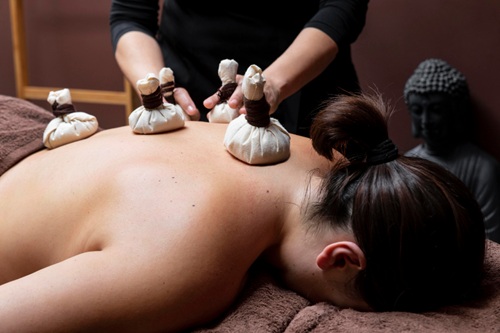
Quick-Reference: Panchakarma at a Glance
| Feature | Details |
| Origin | Ayurveda (India), 3,000+ years old |
| Duration | 7 to 21+ days (minimum 5 days for meaningful results) |
| Phases | Preparation, therapies, rejuvenation |
| Customisation | Based on your dosha, health history, and current condition |
| Best time | Change of seasons; once yearly for prevention |
| Works well for | Fatigue, digestion, skin, stress, immunity, joint health, mental clarity |
| Pairs with | Yoga, meditation, pranayama, Ayurvedic diet |
| Not suitable for | Pregnancy, active cancer, post-surgery, active infection |
The Three Doshas: Why Your Detox Isn’t One-Size-Fits-All
Before diving into the treatments themselves, you need to know about the lens through which Ayurveda sees and examines the human body:
| Dosha | Elements | Controls | Signs of Imbalance |
| Vata | Air + Ether | Movement, nervous system, creativity | Anxiety, constipation, dry skin, insomnia |
| Pitta | Fire + Water | Metabolism, digestion, transformation | Inflammation, acidity, irritability, skin rashes, etc. |
| Kapha | Earth + Water | Structure, immunity, stability | Weight gain, sluggishness, brain fog |
In Ayurveda, the body is governed by three bioenergetic forces, Vata (movement), Pitta (transformation), and Kapha (stability), called ‘doshas‘. When life throws tension, heaviness, bad food, or emotional strain your way, these doshas go out of balance.
A unique combination of these Ayurvedic doshas (the most prominent one) makes up your constitution, or Prakriti. And your Prakriti determines what kind of Panchakarma treatment you actually need to have.
The 5 Core Panchakarma Treatments (Explained Simply)
These are the five classical therapies at the heart of any Panchakarma programme. But not all five procedures are used on everyone. A trained ayurvedic practitioner assesses your dosha type, current health, age, and imbalances, then tailors a protocol specific to you. This quality is what sets the Panchakarma cleanse apart from any generic one.
1. Vamana or Therapeutic Cleansing of the Upper Tract
Primarily used for Kapha imbalances: persistent congestion, asthma, obesity, and excess mucus. Herbal preparations help the body expel toxins from the upper digestive and respiratory tract. This treatment often brings profound emotional relief, too, as if something long held is finally let go.
2. Virechana or Purgation Therapy
The go-to for Pitta disorders: acidity, skin inflammation, chronic acne, and liver congestion.
Gentle medicated herbs and sometimes castor oil stimulate bowel movement, clearing toxins from the small intestine and liver. After Virechana, many people report feeling lighter, clearer-headed, and emotionally calm.
3. Basti or Medicated Enema Therapy
Called the king of Panchakarma treatments, and for good reason. Basti works on Vata, which governs more body functions than any other dosha. Herbal blends or medicated oils are pumped through the rectum to cleanse the colon and nourish the nervous system. Particularly effective for chronic pain, anxiety, constipation, and joint issues.
4. Nasya or Nasal Administration Therapy
Medicated herbal oils are gently applied through the nostrils. This clears the sinuses, respiratory passages, and the channels connecting to the brain. People with chronic headaches, mental fog, sinus issues, or stress often notice results within just a few sessions.
5. Raktamokshana or Blood Purification
The least commonly practised of the five therapies. Traditionally used for deep-rooted skin conditions and blood disorders, it removes toxins from the circulatory system.
Phases of a Panchakarma Detoxification Therapy
The five therapies are only the middle of the story. A complete Panchakarma detox procedure
actually moves through these three distinct stages:
Phase 1: Purva Karma (Preparation)
Duration: 3-7 days
You cannot just jump into deep cleansing. Before any cleansing begins, the body needs to be prepared. This phase typically includes:
- Snehana: Internal oleation (small amounts of medicated ghee) and external oleation through ayurvedic massage (Abhyanga), where warm herbal oils are massaged into the body with long, intentional strokes
- Swedana: Herbal steam therapy to open channels, loosening deep-seated toxins, and moving them toward the gut for removal
- Dietary Shift: Simple, warm, easy-to-digest food to rest the digestive fire
This stage feels nurturing. Think of it like easing stubborn rust before you can wash it away. Like your body is being told it’s safe to let go. Skip it, and the main cleanse won’t reach where it needs to go.
Phase 2: Pradhana Karma (Main Treatment)
Duration: 7-21 days
This is the heart of the process as the body goes through real changes here. Your practitioner will determine the right Panchakarma treatments for you based on your dosha and your health assessment, and will guide you through the appropriate therapies.
Your day during this phase might look something like:
- 6-9 AM: Gentle yoga, pranayama, light meal, herbal tea
- 9-11 AM: Two-therapist full-body oil massage (Abhyanga) followed by herbal steam therapy
- 11 AM-1 PM: Prescribed Panchakarma treatment and rest
- 1-5 PM: Nourishing meal, quiet time, journaling, or meditation
- 5-8 PM: Light walking, early dinner, early sleep
Daily sessions are typically 90 minutes to 3 hours and include a combination of herbal therapies, massages, and prescribed cleansing procedures.
Phase 3: Paschat Karma (Rejuvenation/Restoration)
Duration: 3-7 days
Paschat Karma is arguably the most important yet overlooked phase of the Ayurveda Panchakarma detox procedure. After the body has released deep toxins, the digestive fire (Agni) is essentially on a reset. What you eat and how you live in the weeks following your Panchakarma cleanse determines whether those benefits last.
This phase includes a carefully designed Ayurveda diet, gentle movement, rest, and gradual reintroduction of regular foods, starting with easily digestible meals like kitchari (a warm mix of rice and mung dal).
- Rasayana therapy: herbal tonics to rebuild strength and immunity
- Continued gentle yoga and meditation
- Personalised lifestyle and dietary guidelines to take home
Panchakarma Benefits: What Research and Experience Show
After a deep Panchakarma cleansing, your body is like fresh soil, i.e., open, embracing, and ready to be nourished. The Panchakarma benefits are well-documented both through Ayurvedic tradition and a growing body of modern research.
Physical Benefits of Panchakarma
- Removes deep-seated toxins from tissues and digestive channels
- Strengthens Agni (digestive fire); improves absorption and reduces bloating
- Supports healthy weight management by resetting metabolism
- Reduces inflammation
- Improves skin clarity (acne, eczema, and dull skin often respond well)
- Boosts immune function
Mental & Emotional Panchakarma Benefits
- Significantly reduces cortisol (the body’s primary stress hormone)
- Clears mental fog and sharpens focus
- Improves sleep quality, often dramatically
- Supports emotional stability and reduces anxiety
- Creates a genuine sense of calm that persists well after the retreat
Long-Term Changes
- Panchakarma detox rewires metabolism, energy distribution, and all major functions of the body’s internal architecture
- Post-Panchakarma, people naturally gravitate toward better food, more rest, and less stimulation to external hurries
- A study published in PMC found that participants showed significant improvements in self-efficacy and positive health behaviours even three months after completing a Panchakarma programme
Also Read: Benefits of Yoga
Signs Your Body May Be Asking For Panchakarma Detox
Here we have listed a few signs that reveal if your body is asking for a reset. If several of these feel familiar, Ama (toxin buildup) could be present in you internally:
- Persistent fatigue that sleep doesn’t fix
- Slow digestion, bloating, or irregular bowel movements
- Unexplained weight gain that doesn’t respond to diet or exercise
- Skin problems that keep coming back, or a generally dull complexion
- Coated tongue in the morning (especially thick and white)
- Brain fog, poor focus, or low motivation and energy
- Feeling emotionally flat or easily overwhelmed
- Recurring colds or low immunity
- Joint stiffness or unexplained body aches
- A general sense that something is just off
Ayurveda recommends a Panchakarma detox once a year. However, only a qualified ayurvedic practitioner can tell you whether Panchakarma is right for you.
What Panchakarma Actually Feels Like: Day-by-Day Breakdown
People always want to know what to expect out of Panchakarma detox. It’s not a spa or a holiday. But also not as intense as it sounds. Here’s an honest, realistic picture:
- Days 1-3 (Preparation): Gentle and warm oil massages, steam, and a light diet. Most people say they feel sleepy and deeply relaxed. Some feel a mild headache as toxins begin to move. The pace slows down in a way modern life rarely allows.
- Days 4-10 (Main Cleanse): Your body goes through physical and emotional changes. Energy lowers, emotions emerge, and you might feel tired in waves. You might find yourself crying for no reason, feeling irritable, or sleeping more than usual.
- Days 11+ (Restoration): People commonly describe this phase as feeling lighter, younger, and cleaner inside. The fog lifts, sleep improves, digestion settles, and mental clarity returns in a way that’s difficult to describe in words.
One traveller who completed an Ayurveda retreat in Rishikesh said it well, “After two weeks, I was completely de-stressed, had more energy, and my digestive system was working, and I could focus on things the way I wanted.”
Who Should Not Do Panchakarma?
Panchakarma is safe and beneficial for most people, but not everyone, and not in all circumstances. It is powerful and comes with real contraindications.
Postpone or avoid Panchakarma therapy if you are:
- Pregnant or breastfeeding women
- Currently menstruating (certain treatments may be paused)
- Children under 10
- Recovering from surgery (within the past 3 months)
- People with active infections or acute illness
- Those with severe anaemia or extreme debility
- Extremely weak or underweight
- Someone with certain serious conditions (cancer, congestive heart failure, active HIV/AIDS, severe hypertension)
Always disclose your full health history to your Ayurvedic practitioner before beginning Ayurvedic Panchakarma detoxification. A qualified practitioner will customise or modify your program accordingly.
Simple Prep Checklist For Your Panchakarma Therapy
If you’re preparing for a Panchakarma treatment or an Ayurveda retreat, here are things your ayurvedic practitioner will likely advise you about:
Before Panchkarma:
- Reduce or eliminate caffeine, alcohol, and processed food
- Begin eating warm, cooked, simple meals
- Establish a consistent sleep schedule (ideally asleep by 10 PM)
- Start a gentle morning routine: warm water, light yoga, solitude
- Reduce screen time, especially at night
- Keep a journal
During Panchakarma:
- Warm, freshly cooked meals
- Kitchari (the Ayurvedic superfood)
- Soups, stews, and porridges
- Herbal teas (ginger, cumin, coriander, fennel)
- Warm water throughout the day
Avoid During and Directly After Treatment:
- Cold food and drinks
- Raw salads and heavy proteins
- Spicy, oily, or fried food
Your Reset Awaits
Panchakarma is not some trend or luxury indulgence and certainly not a shortcut.
It’s a serious, thoughtful, deeply intelligent process that asks you to slow down, surrender the busyness, and let ancient wisdom do what modern medicine often cannot: restore you from the inside out.
Whether you’re drawn to an Ayurveda retreat India experience in Rishikesh or seeking healing in the lush stillness of Bali, the best time to start is when your body is ready and your practitioner is qualified.
At Vinyasa Yoga Academy, we’ve spent years weaving Ayurveda into the heart of our yoga teacher trainings and retreats in India and Bali. We believe that yoga and Ayurveda are chapters of the same lesson, and your health deserves to be benefited by both. Reach out to Vinyasa Yoga Academy to learn more about our Yoga and Ayurveda retreats in India and Bali.
Disclaimer: This article is for informational purposes only and does not constitute medical advice. Always consult a qualified Ayurvedic practitioner and your healthcare provider before beginning any Panchakarma programme.
Frequently Asked Questions
How long does Panchakarma take?
A meaningful Panchakarma cleanse typically takes 14 to 21 days. It allows for full depth and transition between the three stages. Seven days give you a solid foundation. Short Panchakarma programs (3-5 days) are sometimes offered as introductory retreats, but traditional Ayurveda recommends at least 14 days for the full procedure.
Are Panchakarma Therapies painful or uncomfortable?
Not typically painful. Even the preparatory massage and steam phases are deeply relaxing. Some people do experience mild fatigue, emotional sensitivity, or loose stools during the cleansing phase. These are signs that the process is working.
How often should I do Panchakarma?
Traditionally, Panchakarma is done seasonally, ideally once or twice a year. Many people do it annually as a preventive reset. After your first experience, your practitioner will advise on what’s right for you.
Can I practise yoga during a Panchakarma or Ayurveda Retreat?
Yes, you can. Gentle yoga and pranayama are actively encouraged during Panchakarma. It supports the nervous system and helps move toxins through the body. However, intense or vigorous yoga is not recommended. The body needs conservation of energy during a deep cleanse.
What’s the difference between Panchakarma and a regular spa Ayurvedic massage?
An ayurvedic massage therapy like Abhyanga can be a standalone treatment for relaxation. Panchakarma is a full clinical protocol where the massage is just one preparatory step. A true Panchakarma detox involves medical assessment, sequenced multi-day therapies, dietary protocols, and supervised restoration.
What do I eat during Panchakarma?
The Ayurveda diet during Panchakarma centres on kitchari, which is a warm, easily digestible blend of basmati rice and mung dal, cooked with ghee and mild spices. Cold food, raw vegetables, dairy (in most phases), caffeine, and alcohol are avoided. The diet is designed to give your digestive system maximum rest while still nourishing your tissues.
Will I lose weight from Panchakarma detox?
Weight loss is a common side effect, particularly for those carrying excess Kapha or water retention. More accurately, what most people lose is the bloating, inflammation, and metabolic sluggishness that made them feel heavy in the first place.
Can Panchakarma Therapy help with mental health?
Research has shown that Panchakarma can significantly reduce cortisol levels and improve mood, sleep quality, and emotional resilience. It is not a replacement for professional mental health care, but people with anxiety, burnout, or chronic stress find it to be supportive.